
Symptoms Of Intestinal Worms: What You Need To Know
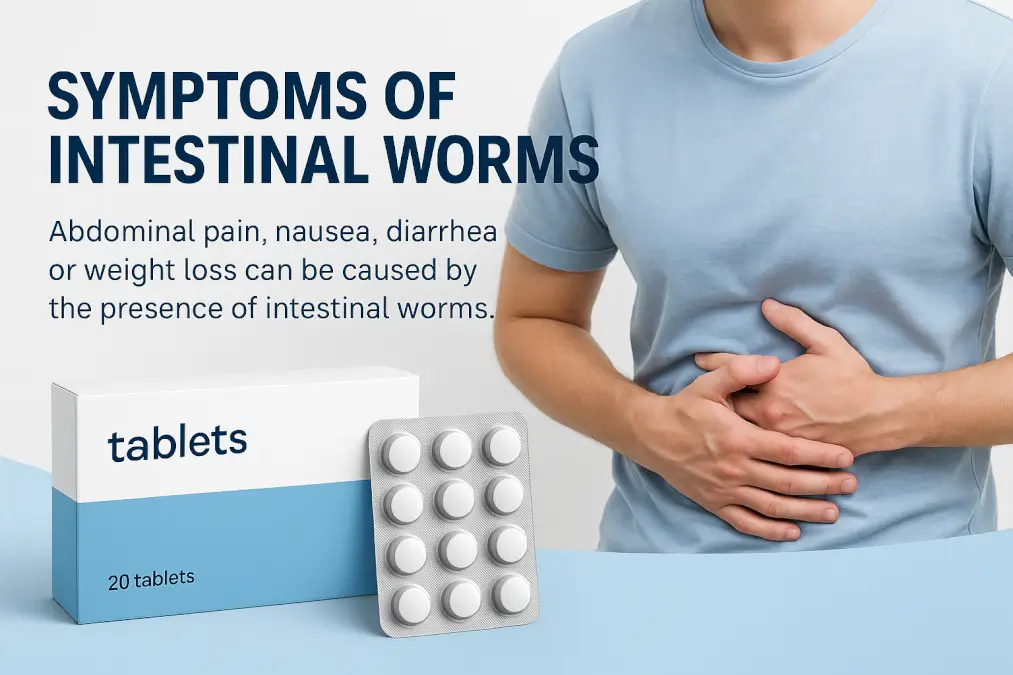
Understanding Intestinal Worms
Intestinal worms are parasites that live in the digestive tract of humans. While they can affect people worldwide, understanding the symptoms and seeking timely treatment is essential, especially in Australia where awareness is growing. This article covers intestinal worms symptoms to help you recognise potential infections early.
Common Types of Intestinal Worms
There are several types of intestinal worms, each with unique characteristics. Some of the most common include:
- Roundworms (Ascaris lumbricoides): These are among the most prevalent worldwide and can grow quite large inside the intestines.
- Hookworms: These attach to the intestinal wall and feed on blood.
- Tapeworms: They can grow several meters long and attach to the intestines with suckers.
- Pinworms: Often found in children, these worms cause itchiness around the anus.
Why Recognising Intestinal Worms Symptoms Matters
Many people with intestinal worms might not show obvious signs initially. However, if left untreated, these infections can lead to complications such as nutritional deficiencies, digestive discomfort, and in rare cases, more severe health issues. Being familiar with the common intestinal worms symptoms makes a huge difference in seeking early medical advice and treatment.
Common Intestinal Worms Symptoms
While symptoms can vary depending on the worm type and infection severity, certain signs are commonly reported. Let’s explore these in detail:
1. Digestive Issues
Many individuals experience symptoms related to the digestive system. This includes:
- Abdominal pain or cramps that come and go.
- Frequent diarrhoea or constipation.
- Bloating and excess gas.
- Nausea or vomiting in some cases.
These symptoms are often mistaken for other gastrointestinal conditions but should raise suspicion when persistent without a clear cause.
2. Changes in Appetite and Weight
Intestinal worms can cause noticeable changes in appetite:
- Some people may feel hungrier than usual as the parasites consume nutrients.
- Others may lose appetite, leading to unintended weight loss.
- In children, poor weight gain or failure to thrive can be significant indicators.
3. Fatigue and Weakness
Since worms feed on nutrients from the host’s body, a person can develop iron deficiency or anaemia. This often manifests as:
- Feeling unusually tired or weak.
- Pale skin or shortness of breath.
- Dizziness or difficulty concentrating.
4. Itching and Irritation
Certain worms, particularly pinworms, cause itching around the anal or vaginal area, especially at night. This is because female pinworms exit the body to lay eggs in this area which causes irritation.
5. Visible Signs
In some cases, worms or worm fragments may be visible in stool or around the anus. Parents should be particularly vigilant if children scratch their bottoms excessively or complain of discomfort.
When To See A Doctor
If you notice any of these intestinal worms symptoms persisting for days or weeks, it’s best to consult a healthcare professional. Early diagnosis allows for effective treatment to clear the infection before complications develop. You should also seek medical advice if you experience severe abdominal pain, high fever, or unexplained weight loss.
Diagnosis and Treatment
Doctors typically diagnose intestinal worm infections through stool sample analysis to identify eggs or larvae. Treatment usually involves prescription antiparasitic medications that target the specific worm type. It’s important to follow the treatment plan completely to ensure the infection is eradicated.
Prevention Tips
Preventing intestinal worm infections involves simple but effective hygiene practices:
- Wash hands thoroughly with soap, especially after using the toilet and before handling food.
- Wash fruits and vegetables properly before eating.
- Avoid walking barefoot in areas where hookworms are common.
- Ensure drinking water is clean and safe.
- Maintain good sanitation and proper disposal of human waste.
Final Thoughts
Recognising intestinal worms symptoms early is key to prompt treatment and preventing spread. While these infections can sound alarming, they are usually manageable with modern medical care. If you suspect you or your family members might have intestinal worms, don’t hesitate to reach out to a healthcare provider in Australia for evaluation. Staying informed and practising good hygiene go a long way in keeping these parasites at bay.