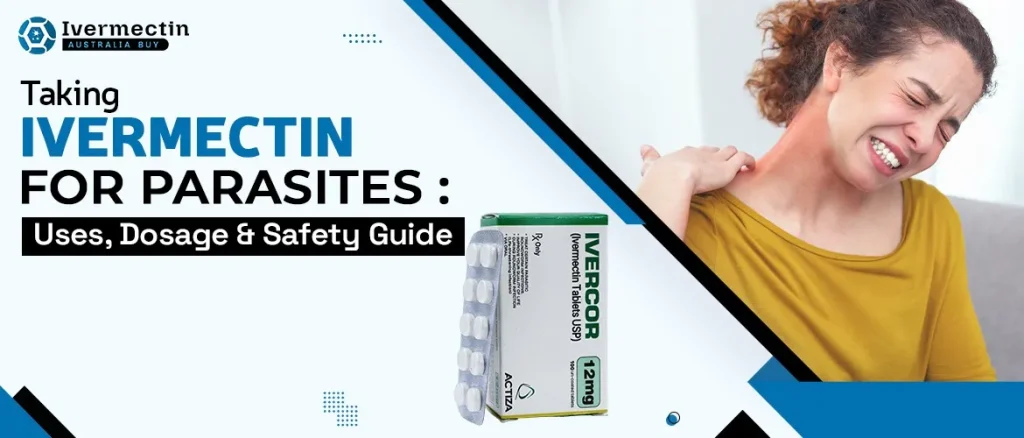
Taking Ivermectin for Parasites: Uses, Dosage & Safety Guide
What is ivermectin?
Ivermectin is an antiparasitic medicine recommended for the treatment of a variety of infections caused by parasites such as roundworms, hookworms, ringworms, whipworms, and certain tapeworms. Ivermectin belongs primarily to the drug class of anthelmintics. In this blog, you will comprehend Ivermectin uses, dosage guidelines, benefits, and tips to keep parasitic infections at bay. Consult your doctor for how to take ivermectin for parasite infection safely.
What Are Parasitic Infections?
Parasitic infections are caused when the living organism (worm or parasite) enters, survives on, and eats off a human or animal host, leading to harm or illness. Parasitic worm infections can range from mild (easily treatable stomach problems) to severe (life-threatening conditions). Three main categories of parasites that infect humans are ectoparasites, protozoa, and helminths.
Types of Parasites Treated with ivermectin
This medicine is beneficial for numerous types of parasitic infections, which include external parasite infections and worm (helminth) infections. These categories include diseases such as onchocerciasis, strongyloidiasis, lymphatic filariasis, head lice, scabies, and demodicosis. Taking Ivermectin for parasites is recommended by the medical professional.
How Does Ivermectin Work in the Body?
Ivermectin connects to the nerve and muscle cells of the parasite. It demobilizes the living organisms by interrupting their normal activity. This results in the expiry of the parasites and helps to eradicate the infection from your body. The exact chemical mechanism involved includes disrupting neurotransmitter signals in the nervous system of the parasites. As a consequence, the parasite gets immobilized and gradually expires. Ivermectin particularly targets parasites without influencing human cells.
Key Benefits of Ivermectin
Some benefits of Ivermectin that you could secure from its treatment are explained here:
- It aids individuals with its extensive-ranging character, benefiting them in treating several parasitic worm infestations such as strongyloidiasis, onchocerciasis, filariasis, head lice, rosacea, etc.
- It is reported as an easy-dosing drug, as in some cases, healthcare providers may prescribe a single-dose treatment only.
- It may benefit in relieving inflammatory medical conditions by hindering the cytokine action.
- It can benefit the recovery of normal bodily function by cleaning away parasites and minimizing the symptoms of the infection.
Dosage Guidelines of Ivermectin
The Ivermectin dosage guidelines for parasitic infection should be determined by the medical professionals only. Healthcare providers monitor the condition and its severity with numerous major factors, which include age, body weight, type of parasitic infection, health status, and concurrent medications. Thus, follow the treatment plan given by your healthcare provider for utmost benefits. Ivermectin 12 mg is a popular strength recommended for parasitic infestation treatment.
Missed dose: You may take the missed dose as soon as you remember it. But in case the next dose is scheduled in a few hours, skip the missed dose and resume the treatment with the prescribed schedule to avoid double dosing.
Overdose: Since taking more than prescribed doses may cause severe health complications, contact your healthcare provider or go to your nearest hospital if you have overdosed.
Available strengths:
How to Use Ivermectin Safely:
Ivermectin is a prescription-based medication and should be managed as per your medical professional’s directions only.
Take it with a full glass of water, with food, or on an empty stomach as instructed by your doctors.
Swallow it in one piece only without crushing, chewing, or breaking it into pieces.
Side Effects and Reactions
Side effects of Ivermectin are listed below:
- Nausea
- Fatigue
- Dizziness
- Mild skin rash
- Swollen lymph nodes
- Fever
- Neurological problems
- Severe skin reactions
Prevention of Parasitic Infections
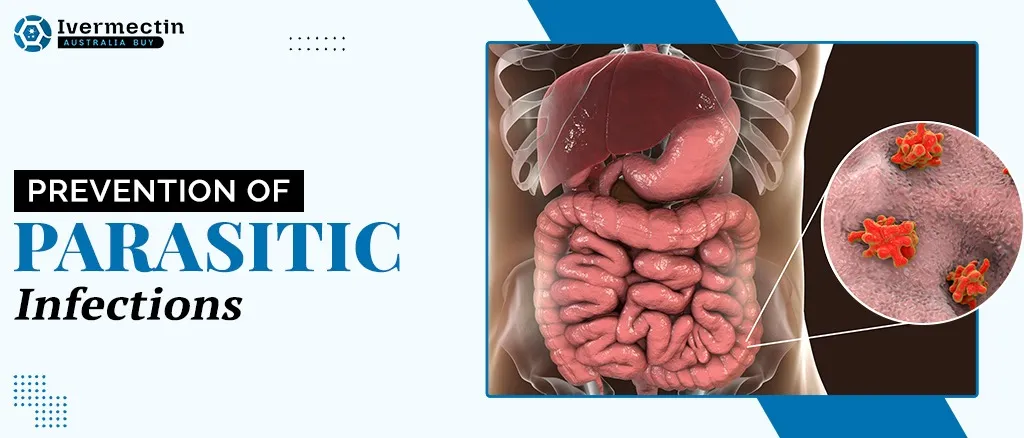
Below here are certain preventative methods mentioned for the prevention of parasite infections:
- Wash your hands with soap and water completely, especially after toilet usage, before and after cooking food, touching animals, or changing diapers or sanitary products.
- Take a proper bath every day with lukewarm water to prevent possible living organisms from residing in the skin and hair.
- Perform safe and protected sexual intercourse to prevent the reach of organisms to the reproductive organs.
- Some food items such as poultry, meats, cabbage, etc. must be washed properly before cooking.
- Make sure of a clean source of drinking water.
- Introduce using insect repellent in possible areas such as grassy areas and wooded areas.
Conclusion
Ivermectin uses are generally for the treatment of parasitic worm infections. It is an antiparasitic medication that paralyzes and kills the harmful organisms in the body, preventing any further harm. You should take this treatment with proper medical guidance and supervision only.
Frequently Asked Questions
How long does ivermectin stay in the body?
This medicine generally lasts for about 12 days in the body. While the medicine clears out of the bloodstream, it lasts for much longer in certain body tissues.
What happens if I miss a dose?
Take the missed dose immediately if there’s enough time remaining for the next dose. Avoid the missed dose and resume the prescribed schedule if the next dose is due.
How do I know if the treatment is working?
You will know the treatment is working when initial symptoms like skin rashes, skin itching, or gastrointestinal distress slowly subside and clear away.
Can I take Ivermectin at night instead of in the morning?
Yes, you may take this medicine at night instead of in the morning, provided it is done with medical guidance.
Is it safe to take Ivermectin regularly?
Ivermectin is not meant for regular use; consult a doctor before any repeat dosing.
When should I see a doctor after taking it?
You should see your doctor right away if you develop any neurological or serious side effects or if you see no improvement in the symptoms after taking it.
How long after ivermectin can I eat?
Information on how long to wait after ivermectin to eat depends on its proper absorption, generally after a couple hours of dosing.