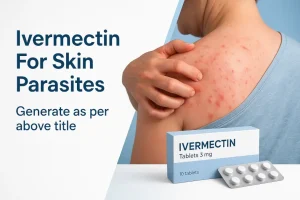
How Ivermectin Works Against Parasites: A Comprehensive Guide
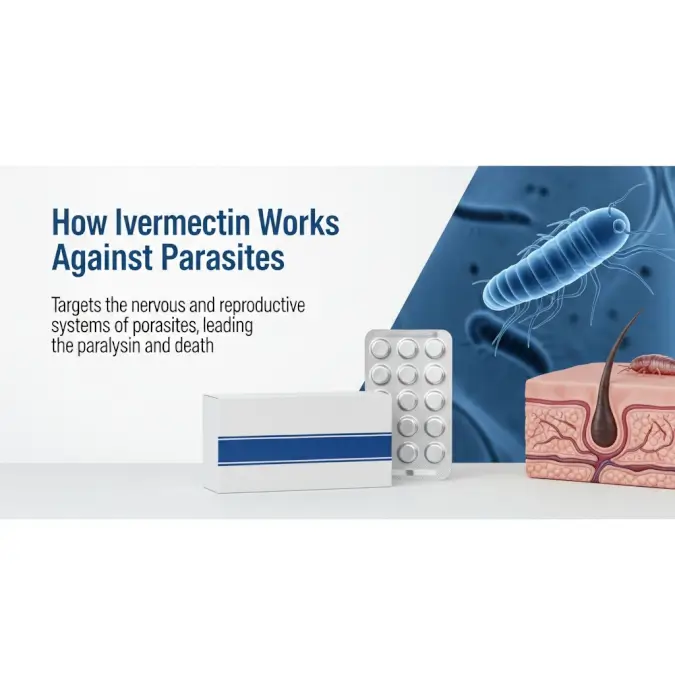
Understanding How Ivermectin Works Against Parasites
If you have ever wondered how ivermectin works to fight parasites, you’re not alone. This medication has gained significant attention over the years for its effectiveness in treating a variety of parasitic infections. But what makes it so effective? In this article, we’ll break down the science behind ivermectin’s action against parasites and explore its uses, benefits, and mechanism in a straightforward way.
What Is Ivermectin?
Ivermectin is a medication primarily used to treat parasitic infections. It belongs to a class of compounds called avermectins, which are derived from the soil bacterium Streptomyces avermitilis. Since its introduction, ivermectin has been widely used globally, including in Australia, to combat a range of parasites affecting both humans and animals.
It’s important to note that ivermectin is typically prescribed by a healthcare provider and should be used according to medical advice to ensure safety and effectiveness.
Common Parasites Treated With Ivermectin
- Onchocerciasis: Also known as river blindness, caused by the parasite Onchocerca volvulus.
- Strongyloidiasis: Infection by the threadworm Strongyloides stercoralis.
- Scabies: Skin infestation by the mite Sarcoptes scabiei.
- Head lice and other minor parasitic infestations.
How Ivermectin Works: The Mechanism Explained
Now, diving into the heart of the matter: how ivermectin works to eliminate parasites. Essentially, ivermectin disrupts the nervous system of parasites. More specifically, it targets certain neurotransmitter pathways unique to invertebrates, the group to which parasites belong.
Parasites rely on nerve signals to survive, move, feed, and reproduce. Ivermectin binds selectively to glutamate-gated chloride channels found in nerve and muscle cells of the parasites. These channels do not exist in humans, which helps explain ivermectin’s safety profile when used correctly.
When ivermectin attaches to these channels, it increases the permeability of the cell membrane to chloride ions. This causes an influx of chloride ions, leading to hyperpolarisation of the nerve or muscle cell. The result is paralysis of the parasite, inhibiting its ability to move or feed, eventually causing its death.
This targeted action aids in minimizing harm to the human host while effectively incapacitating parasitic organisms.
The Role of the Parasite’s Nervous System
Parasites depend on their nervous system not just for movement but also to maintain vital functions. By interfering with their nerve signalling, ivermectin essentially ‘switches off’ critical processes. This mode of action impacts a variety of parasites, particularly those with glutamate-gated chloride channels, making ivermectin a versatile anti-parasitic agent.
Pharmacokinetics: What Happens After Taking Ivermectin?
After administration, ivermectin is absorbed into the bloodstream where it travels to sites where parasites reside. Its fat-soluble nature allows it to penetrate tissues, including the skin and intestines, depending on the infection being treated.
The drug typically remains effective in the body long enough to disrupt parasite survival cycles, but it is metabolized by the liver and excreted mainly via feces. Because of this, dosing and duration of treatment are carefully managed by healthcare providers to ensure optimal results and reduce the risk of resistance.
Safety and Usage Considerations in Australia
In Australia, ivermectin is regulated and prescribed for specific parasitic infections. It’s used by specialists in tropical medicine and infectious diseases as well as general practitioners when appropriate.
While ivermectin is generally well-tolerated, some side effects may occur such as dizziness, nausea, or mild skin reactions. That’s why it’s crucial to use the medication under medical supervision and follow prescribed dosages exactly.
It’s also worth mentioning that ivermectin doesn’t work against all parasites or infections. For example, it is not effective against bacterial or viral infections. Hence, correct diagnosis is essential before treatment.
Additional Applications and Ongoing Research
Beyond its established antiparasitic roles, ivermectin has been the subject of ongoing research exploring potential new uses. However, current evidence outside its approved indications remains limited and more studies are essential before considering alternative applications.
Still, ivermectin’s proven effectiveness against various parasitic diseases highlights its importance, especially in regions where these infections are endemic.
Conclusion: Why Understanding How Ivermectin Works Matters
So, to sum up, knowing how ivermectin works gives us valuable insight into why it remains a cornerstone in combating parasitic infections. By targeting the unique nervous system of parasites, ivermectin provides a powerful and relatively safe treatment option.
If you or someone you know is facing a parasitic infection, consulting a healthcare professional to discuss whether ivermectin is suitable is always the best approach. This ensures safe and effective treatment tailored to individual needs.
Hopefully, this article has helped clarify how ivermectin works and its role in modern medicine, especially within the Australian context. for more information about ivermectin visit ivermectinaustraliabuy.com.
Remember, understanding this medication helps us appreciate the advances in medical science that make parasite control possible today.