
Fenbendazole For Roundworms: Effective Treatment and Guide
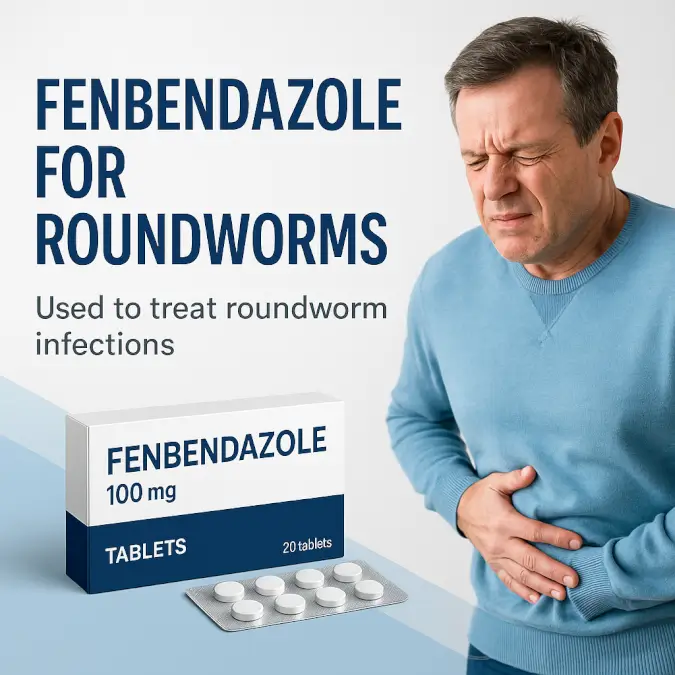
Understanding Fenbendazole For Roundworms
If you are dealing with a roundworm infestation, fenbendazole for roundworms is a trusted solution commonly used across Australia. This anthelmintic medication is well-regarded for combating a wide range of parasitic infections, particularly those caused by roundworms. Whether you are a pet owner, livestock farmer, or seeking knowledge about treatment options, this guide covers the essentials of using fenbendazole to manage roundworm infections safely and effectively.
What Are Roundworms?
Roundworms, scientifically referred to as nematodes, are parasites that commonly infect animals and humans alike. These worms inhabit the intestines, potentially causing health issues ranging from mild discomfort to serious complications if untreated. Roundworm infections are widespread and require prompt attention to avoid long-term effects.
How Does Fenbendazole Work?
Fenbendazole is part of the benzimidazole class of antiparasitic drugs. It works by disrupting the energy metabolism of the parasites, effectively starving them and preventing reproduction. This mode of action makes it highly effective against various gastrointestinal roundworms, including species like Toxocara, Ascaris, and others that commonly affect animals in Australia.
Uses and Applications of Fenbendazole For Roundworms
Fenbendazole 150 mg is versatile and widely used in veterinary medicine primarily for dogs, cats, livestock, and occasionally in exotic pets. Here are some common applications:
- Companion Animals: Fenbendazole is frequently prescribed to treat roundworm infestations in dogs and cats, ensuring their digestive health is maintained.
- Livestock: Farmers use fenbendazole to protect cattle, sheep, and goats from parasitic infections that can impact growth and productivity.
- Other Animals: It’s sometimes recommended for small mammals and exotic pets susceptible to internal parasites.
In all cases, fenbendazole’s safety profile and efficacy make it a preferred choice among veterinarians throughout Australia.
Recommended Dosage and Administration
Proper dosage depends on the species, size, and severity of the infestation. Generally, fenbendazole is administered orally, often as a suspension, granule, or tablet. For dogs, the typical duration ranges from three to five consecutive days, but always follow the veterinarian’s instructions carefully.
For livestock, the dosage regimen can vary depending on parasite type and weight. It is crucial to adhere to treatment guidelines to maximize effectiveness and prevent resistance.
Safety and Side Effects
Fenbendazole is generally well tolerated with a low incidence of side effects. Common mild effects may include temporary gastrointestinal upset, such as vomiting or diarrhea, but these often resolve without intervention.
Still, it’s essential to monitor treated animals for any adverse reactions and consult a vet if unusual symptoms occur. Pregnant or nursing animals should only receive fenbendazole under strict veterinary guidance due to limited data on safety.
Precautions When Using Fenbendazole For Roundworms
- Avoid using fenbendazole from unverified sources to ensure quality and safety.
- Do not exceed the recommended dose or treatment duration.
- Consult a veterinarian for appropriate testing before starting treatment to confirm the presence of roundworms.
- Maintain good hygiene and sanitation to reduce the risk of reinfection.
Benefits of Using Fenbendazole For Roundworms
When used correctly, fenbendazole offers several advantages that make it a preferred deworming agent in Australia:
- Broad Spectrum: Effective against multiple types of roundworms and other parasites like hookworms and whipworms.
- Reliable: Consistently shown to reduce parasite loads efficiently, improving animal health.
- Easy To Administer: Available in various formulations suited to different animals and treatment needs.
- Cost-Effective: Affordable and widely available from veterinary suppliers like Ivermectinaustraliabuy.
Fenbendazole for Roundworms: Frequently Asked Questions
Can Fenbendazole Be Used Preventatively?
Yes, veterinarians sometimes recommend fenbendazole for routine parasite control, especially in high-risk environments. Preventative use should always be guided by professional advice to balance effectiveness with resistance prevention.
Is Fenbendazole Safe for Puppies and Kittens?
Fenbendazole is generally safe for young animals but dosing must be precise. Vet supervision is essential when treating puppies and kittens to ensure their health and development are not adversely affected.
How Quickly Does Fenbendazole Work?
Treatment usually begins to show results within a few days, but complete parasite removal may require multiple doses. You’ll often see improved appetite and vitality post-treatment.
Best Practices for Managing Roundworms in Australia
Controlling roundworms effectively goes beyond medication. It also involves proper hygiene, regular veterinary check-ups, and environmental management.
- Regularly clean living areas and dispose of feces promptly.
- Use fenbendazole as part of a comprehensive parasite control plan.
- Wash hands thoroughly after handling animals.
- Feed animals with safe and clean food and water.
Conclusion
Fenbendazole for roundworms stands out as a proven, safe, and accessible option to address parasitic infections in animals. Its broad-spectrum effectiveness and ease of use make it a staple treatment in Australian veterinary care. Yet, like any medication, it works best when used responsibly under veterinary guidance.
So, if you suspect roundworms might be affecting your animals, consult your vet about fenbendazole treatment. Taking timely action ensures the health and wellbeing of your pets or livestock while contributing to better parasite management practices overall.