
Fenbendazole For Hookworms: Effective Treatment and Essential Information
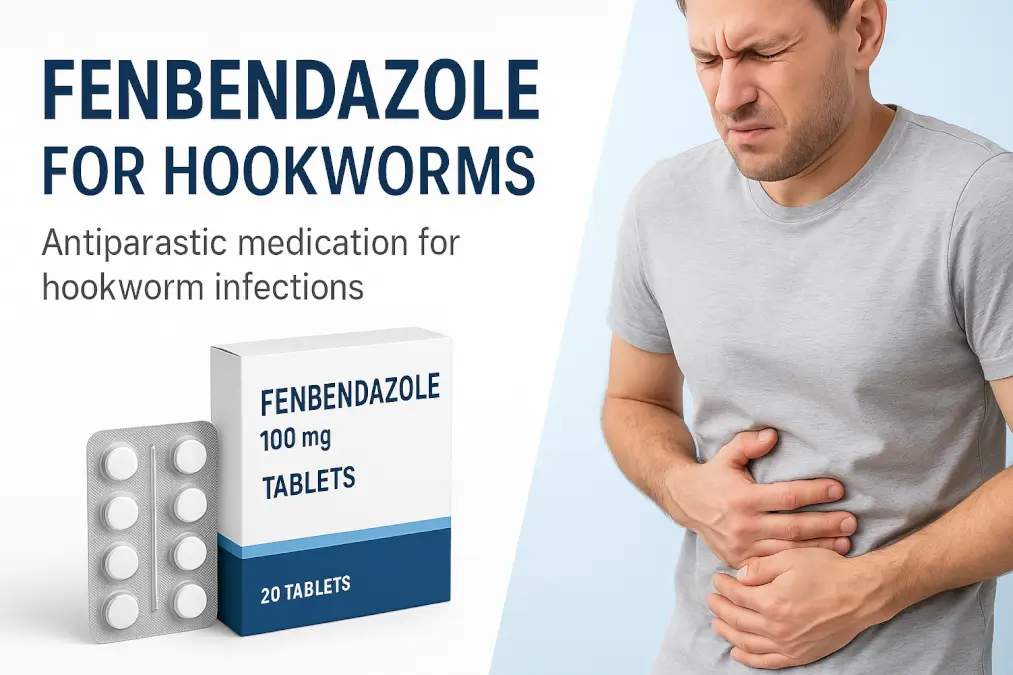
Understanding Fenbendazole for Hookworms
Fenbendazole for hookworms is widely recognised in Australia for its effectiveness in treating parasitic infections among animals, particularly dogs. Hookworms are a common threat, capable of causing significant health issues if left untreated. This article covers everything you need to know about fenbendazole, from how it works to its use in managing hookworm infections safely and effectively.
What Are Hookworms?
Hookworms are intestinal parasites that primarily affect dogs, cats, and other animals, but they can also pose health risks to humans. These tiny worms attach themselves to the lining of the intestine, feeding on blood and causing symptoms like diarrhoea, anaemia, weight loss, and in severe cases, more serious complications.
In Australia, hookworm infections are particularly common in environments where pets spend time outdoors, such as parks or kennels. The larvae enter the body through the skin, often through the paws, making prevention and timely treatment essential.
How Does Fenbendazole Work?
Fenbendazole is an anthelmintic medication, meaning it is designed to eliminate parasitic worms. It works by disrupting the metabolism of hookworms, inhibiting their ability to absorb glucose. Without energy, the worms die off and are naturally expelled from the host’s body.
It is considered safe for use in a variety of animals, including dogs, and is often the preferred treatment due to its broad spectrum of action. Besides hookworms, fenbendazole can target other parasites such as roundworms, whipworms, and certain species of tapeworms. This versatility adds to its popularity among veterinarians and pet owners alike.
Administration and Dosage
Using fenbendazole for hookworms requires careful adherence to dosing instructions. Typically, treatment involves daily oral administration over three to five days. The exact dose depends on the animal’s weight and health condition, so it’s critical to follow veterinary guidance.
Fenbendazole is available in several forms, including granules, tablets, and suspensions, allowing flexibility depending on your pet’s preferences and ease of administration. It’s important to complete the full course to ensure all parasitic worms are eradicated.
Safety and Side Effects
One of fenbendazole’s advantages is its safety profile. It is generally well tolerated, with minimal side effects in most treated animals. Some pets may experience mild digestive upset, such as vomiting or diarrhoea, but these effects are usually transient.
Still, always monitor your pet closely during treatment. If adverse reactions seem severe or persist, consult your veterinarian promptly to adjust care as needed.
Preventing Hookworm Infection
Treatment is just one side of managing hookworm infections. Prevention plays a huge role in protecting your pets.
- Regular Deworming: Routine administration of fenbendazole or other approved anthelmintics helps keep common parasites at bay.
- Environmental Hygiene: Clean up pet waste promptly and maintain clean living areas to reduce the risk of larvae contamination.
- Protective Measures: Avoid walking pets in high-risk areas, especially during warmer months when hookworm activity increases.
By combining treatment with good preventive practices, pet owners can safeguard their furry friends from the discomfort and health risks posed by hookworms.
Fenbendazole for Hookworms in Australia
In Australia, veterinary professionals recommend fenbendazole due to its proven efficacy and accessibility. It fits well into Australia’s pet healthcare protocols, supporting a healthy pet population nationwide.
Moreover, many Australian pet pharmacies and veterinary clinics stock fenbendazole, making it relatively easy to obtain with proper prescription and guidance. It’s worth discussing with your local vet about fenbendazole options best suited for your pet’s needs.
Considerations When Using Fenbendazole
Despite its benefits, fenbendazole should be used prudently and under the supervision of a veterinarian. Self-medicating pets can lead to improper dosing, resistance development, or overlooking other underlying conditions.
Additionally, fenbendazole is not a catch-all solution. Diagnosing the exact parasite type through fecal tests will guide appropriate treatment choices. Sometimes, combination therapy might be necessary.
Summary: Why Choose Fenbendazole for Hookworms?
- Proven Effectiveness: Targets and eliminates hookworms efficiently.
- Safe for Most Pets: Minimal side effects when used as directed.
- Broad-Spectrum Action: Works against multiple parasitic worms beyond hookworms.
- Wide Availability: Accessible in Australia through veterinary channels.
Fenbendazole for hookworms remains a cornerstone in animal parasitic control, ensuring health and comfort for pets. If you suspect your dog or cat has been exposed to hookworms, consulting your vet swiftly can lead to timely intervention and protection.
Remember, maintaining regular vet check-ups and preventive care is the best way to keep your beloved pets parasite-free and thriving.