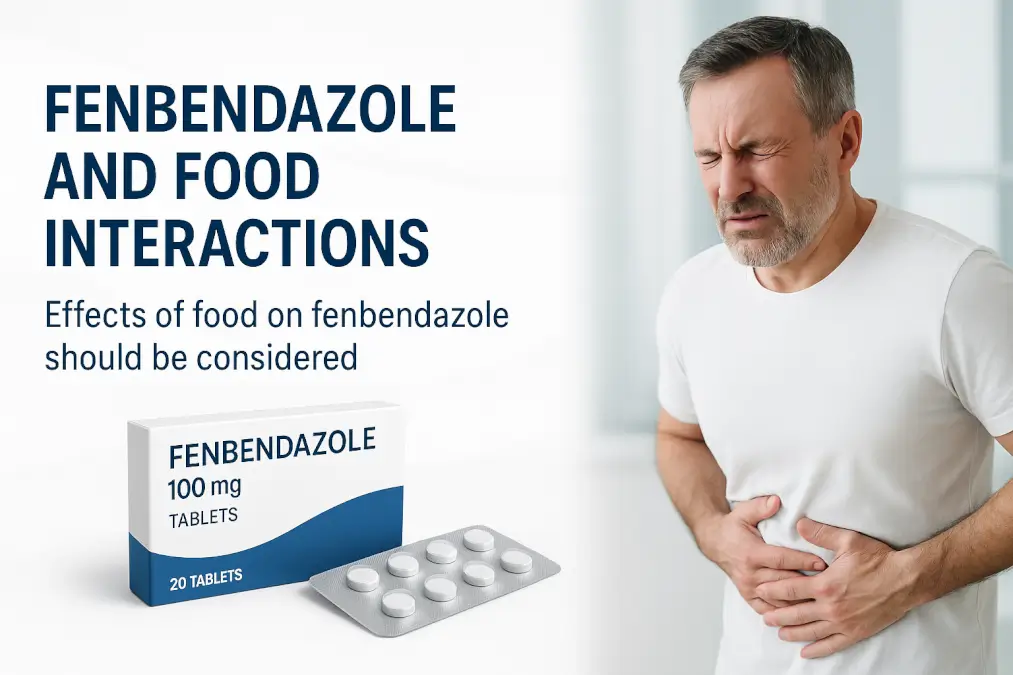
Understanding Fenbendazole Food Interactions: What You Need to Know
Introduction to Fenbendazole and Its Uses
Fenbendazole is widely known as an effective anthelmintic medication, primarily used to treat parasitic infections in animals. However, its application and safety have drawn attention among medical and veterinary professionals. If you’re considering fenbendazole for treatment purposes, it’s essential to understand how fenbendazole food interactions can influence its effectiveness and safety. In this article, we’ll explore everything you need to know about fenbendazole and its interactions with food, especially for audiences in Australia.
What Is Fenbendazole?
Fenbendazole belongs to a class of drugs known as benzimidazoles, which target parasites by disrupting their energy metabolism. It is commonly prescribed for livestock and pets to combat a variety of worms. While fenbendazole is primarily veterinary, some studies also explore its potential for other uses, but it should always be used cautiously and under guidance.
Importance of Understanding Fenbendazole Food Interactions
The way fenbendazole behaves inside the body can be influenced by various factors, including the presence of food in the digestive system. These fenbendazole food interactions can impact absorption rates, overall bioavailability, and ultimately the medication’s effectiveness. Understanding these interactions can help maximise treatment outcomes and minimise unwanted side effects.
How Food Affects Drug Absorption
When medications like fenbendazole are ingested, the presence of food in the stomach can either slow down or enhance their absorption. Food affects gastric pH, digestive enzyme activity, and gastric emptying time, all of which play a role in how a drug is absorbed. In some cases, food may bind with the drug, reducing its availability. In others, food helps by facilitating dissolution.
Specific Fenbendazole Food Interactions
Research indicates that fenbendazole’s absorption is moderately influenced by food intake. Typically, taking fenbendazole with food can lead to increased absorption, but it depends on the type of food and timing. Here are some key points to consider:
- High-Fat Meals: Consuming fenbendazole with high-fat meals may enhance the drug’s absorption. Fat can stimulate bile secretion, which helps solubilise fenbendazole, making it easier for the body to absorb.
- Low-Fat or Fasting Conditions: Taking fenbendazole on an empty stomach might reduce absorption, potentially lowering its efficacy. For best results, fenbendazole is often recommended to be taken with food.
- Dairy Products: There is limited evidence about interactions with dairy; however, calcium in dairy could theoretically bind drugs and interfere with absorption. It is generally safe but taking fenbendazole separately from large quantities of dairy might be preferable.
- Alcohol: While not a food, alcohol can affect liver metabolism, which might alter fenbendazole levels. It’s best to avoid alcohol while on fenbendazole treatment.
Practical Advice for Fenbendazole Administration
To make the most of your fenbendazole treatment and minimise any potential food-related issues, consider these practical tips:
- Take with Meals: Administer fenbendazole alongside a regular meal, especially one with some fat content, to maximise absorption.
- Avoid Entirely Empty Stomach: Try not to take fenbendazole on an empty stomach unless specifically advised by a healthcare professional.
- Consistent Routine: Maintain a consistent routine with meal timing and fenbendazole administration to keep drug levels steady.
- Consult Professionals: Always discuss with your veterinarian or doctor if you have concerns about diet and fenbendazole treatment.
Fenbendazole and Dietary Supplements
Besides regular food, dietary supplements can also interact with fenbendazole. For example, supplements containing minerals like calcium, magnesium, or iron might interfere with the drug’s absorption if taken simultaneously. It’s wise to separate fenbendazole and mineral supplements by a couple of hours.
Potential Side Effects and How Food Can Help
Fenbendazole is generally well-tolerated, but some patients may experience mild gastrointestinal discomfort like nausea or vomiting. Taking fenbendazole with food might reduce these side effects by cushioning the stomach lining. Staying hydrated and eating balanced meals during treatment can support overall tolerance.
Conclusion: Optimising Fenbendazole Use Through Diet
Understanding fenbendazole food interactions is an important aspect of safe and effective treatment. For anyone in Australia or elsewhere using fenbendazole, being mindful of how and when to take the medication with food can make a real difference. Remember, while fenbendazole taken with food often improves absorption, one should avoid making drastic changes without professional advice.
Always follow the guidance of your healthcare provider or veterinarian. If you notice any unusual symptoms or have questions about your diet during treatment, don’t hesitate to get in touch with a medical professional. With the right approach, fenbendazole can be a reliable agent for managing parasitic infections safely and effectively.
By keeping these fenbendazole food interactions in mind, you help ensure the medication works as intended, giving you or your animals the best possible outcome.