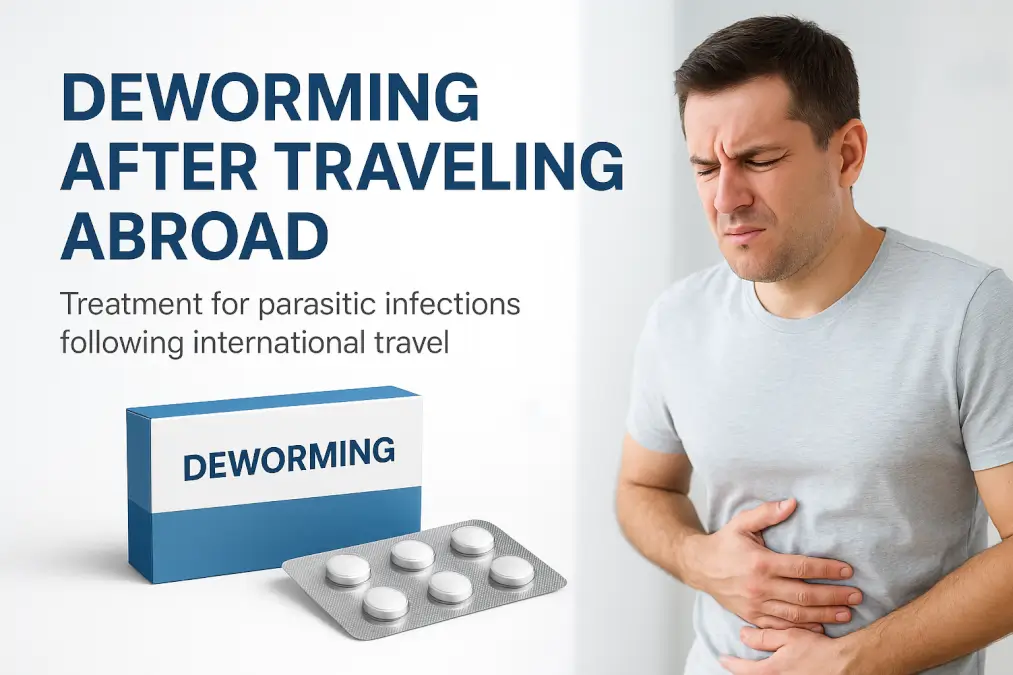
Deworming After Traveling Abroad: Essential Health Tips for Australians
Understanding Deworming After Travel: Why It Matters
After a long-awaited overseas trip, most travellers focus on souvenirs and memories. But there’s an important health step that many often overlook: deworming after travel. This practice is particularly significant for Australians who visit regions where parasitic worms are common. Not all parasites show symptoms immediately, so taking precautions post-travel is a wise decision.
Deworming after travel refers to the process of treating your body to eliminate intestinal parasites you might have picked up while abroad. These parasites can include roundworms, tapeworms, hookworms, or other microscopic organisms that live inside the digestive system. While not every traveller will need deworming, understanding the risks and signs can protect your health in the long run.
How Do Parasites Get into Your System During Travel?
When visiting certain countries, especially in tropical and subtropical zones, exposure to contaminated food, water, or soil increases. These parasites often enter the body:
- By consuming undercooked or raw food.
- Through drinking unsafe water.
- By walking barefoot on contaminated soil.
- Via poor sanitation or hygiene conditions.
Even careful travellers can be exposed unknowingly. The challenge is that symptoms can be mild or absent initially, making deworming after travel a sensible preventive measure.
Who Should Consider Deworming After Travel?
Not every traveller will require deworming medications. However, certain situations suggest higher risk, such as:
- Visiting countries where parasitic infections are widespread, including parts of Asia, Africa, South America, and some Pacific islands.
- Spending extended periods in rural or underdeveloped settings.
- Eating local street foods or untreated water.
- Children, elderly, or individuals with weakened immune systems.
If you experience symptoms like prolonged diarrhoea, unexplained weight loss, abdominal discomfort, or fatigue after travel, consulting a healthcare professional is essential. They may recommend targeted testing and possibly a deworming treatment.
The Importance of Early Detection and Treatment
Parasites can cause nutrient absorption issues, gastrointestinal problems, and other health complications if left untreated. While some infections resolve on their own, others may need medical intervention. Deworming after travel helps remove these unwanted guests before they cause significant trouble.
Approaches to Deworming After Travel
Medical advice and treatment options vary based on the region visited and individual risk factors. Here are some common approaches:
- Consult a Doctor: Always seek professional advice before starting any deworming medication. Your physician can recommend appropriate tests or treatments tailored to your travel history.
- Routine Screening: Some doctors suggest stool tests for parasites especially if symptoms appear.
- Medications: Antiparasitic drugs like mebendazole and albendazole are commonly prescribed deworming agents. They target a range of intestinal worms and are generally safe when used correctly.
- Follow-up Care: After treatment, it’s important to monitor symptoms and, if needed, repeat testing ensures the infection is cleared.
Natural Prevention Tips and Healthy Habits
Prevention is always better than cure, especially when traveling internationally. Here are some practical tips to help minimise the risk of parasitic infections during your trips:
- Eat Safely: Stick to cooked foods and avoid raw vegetables unless you can peel them yourself.
- Drink Wisely: Choose bottled or purified water over tap water. Avoid ice cubes unless you’re sure of their source.
- Maintain Hygiene: Wash hands frequently with soap, especially before eating.
- Wear Protective Footwear: Avoid walking barefoot in areas where soil contamination is likely.
- Stay Informed: Research destinations to understand local health risks and advice.
Understanding Myths About Deworming After Travel
There are misconceptions surrounding deworming that can confuse travellers. Some believe it’s always necessary after any trip or that it guarantees 100% protection against parasites. The truth is, deworming after travel should be a considered decision, guided by risk exposure and symptoms. Overusing antiparasitic medications can also cause side effects or resistance issues.
Always rely on genuine medical guidance rather than hearsay or unverified sources. It’s perfectly fine to ask your doctor about your concerns and options post-travel.
When to Seek Medical Advice Immediately
While many parasitic infections develop gradually, certain symptoms warrant prompt medical attention:
- Severe abdominal pain
- Persistent diarrhoea lasting beyond a week
- Blood in stools
- Fever coupled with nausea or vomiting
- Unexplained weight loss or fatigue
If you experience these after returning from travel, don’t delay seeing your healthcare provider. They can conduct necessary tests and recommend appropriate treatments.
Summary: The Role of Deworming After Travel in Protecting Your Health
Travelling broadens horizons but does come with some health risks, including parasitic infections. Deworming after travel shouldn’t be feared or ignored. Instead, it’s a smart, preventive step for many travellers returning to Australia from high-risk areas.
By understanding who might benefit from deworming, following safe travel practices, and seeking professional care when symptoms arise, you can stay healthy and enjoy your adventures to the fullest. Remember, prevention and early treatment are key for maintaining your wellbeing after exploring new destinations.
So, next time you plan a trip abroad, keep deworming after travel in mind as part of your post-trip health checklist. It’s a small action that goes a long way in keeping you safe and sound.