
How Often Should Adults Deworm: Understanding Adult Deworming Frequency
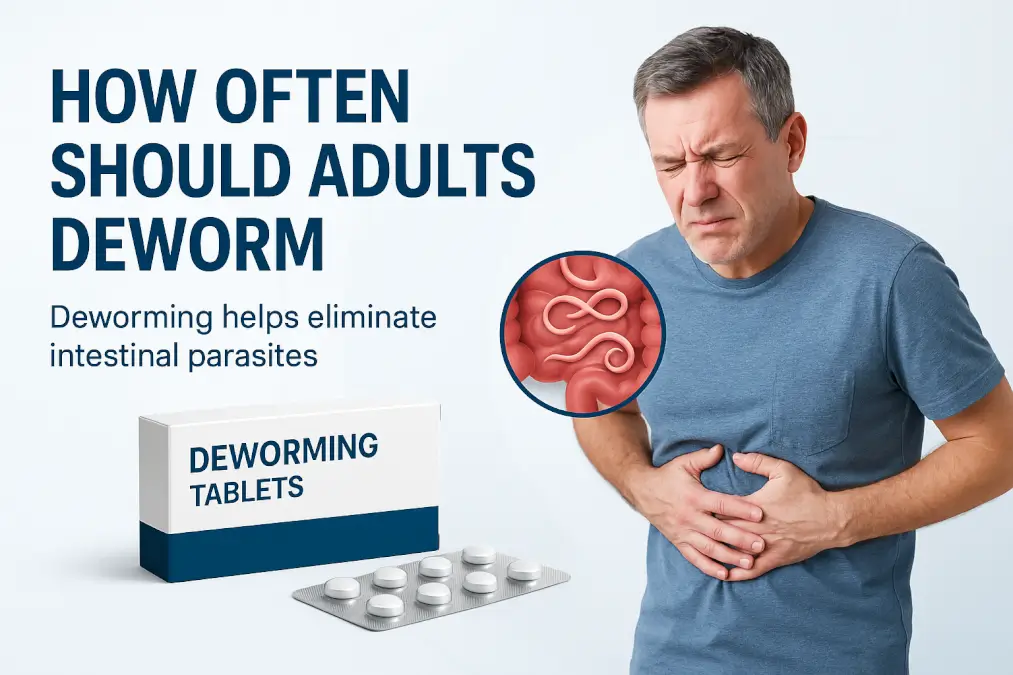
Introduction to Adult Deworming Frequency
When it comes to maintaining overall health, many people focus on diet, exercise, and regular medical check-ups. But an often overlooked aspect, especially among adults, is deworming. The adult deworming frequency can vary widely depending on lifestyle, environment, and health status. In this article, we explore how often adults should deworm, the reasons behind it, and practical advice tailored to Australia’s unique conditions.
Why Deworming is Important for Adults
Most of us associate deworming with children, but adults aren’t immune to parasitic worm infections. Worms such as roundworms, hookworms, and tapeworms can affect adults as well. These parasites can enter the body through contaminated food, water, or even through the skin. They may cause symptoms that range from mild discomfort and digestive issues to more serious health problems if left untreated.
In Australia, while the general risk may be lower compared to some other countries, certain communities and rural areas can have a higher risk of parasitic infections. Understanding adult deworming frequency helps ensure that you remain healthy without unnecessary treatments.
Common Types of Worms Affecting Adults
- Roundworms: Often contracted through ingestion of eggs from contaminated soil or food.
- Hookworms: Usually enter through the skin, often by walking barefoot on contaminated ground.
- Tapeworms: Acquired by consuming undercooked meat or contaminated food.
- Threadworms (Pinworms): Commonly spread through close contact or contaminated surfaces.
Factors Influencing Adult Deworming Frequency
Determining how often adults should deworm is not a one-size-fits-all matter. Several factors come into play:
- Geographic Location: In Australia, urban areas generally pose less risk than rural or remote communities where sanitation may be compromised.
- Occupation and Lifestyle: People involved in farming, gardening, or outdoor activities may face higher exposure to parasites.
- Travel History: Traveling to regions with higher parasite prevalence can increase risk.
- Immune System Health: Individuals with weakened immune systems may require closer monitoring.
Given these factors, it’s clear that adult deworming frequency should be personalised rather than following a strict routine.
Recommended Deworming Frequency for Adults in Australia
Health authorities in Australia don’t generally recommend routine deworming for all adults, unlike for children. However, certain guidelines and best practices can help you decide your schedule.
Occasional Deworming: For most healthy adults with low risk, deworming may only be necessary if symptoms arise or if exposure is suspected after travel or outdoor activities.
Regular Deworming: Adults working in agriculture, childcare, or healthcare settings may benefit from regular deworming every 6 to 12 months as a precautionary measure.
Targeted Deworming: If symptoms such as unexplained fatigue, abdominal discomfort, or changes in bowel habits occur, consulting a healthcare provider is important. They can perform tests to determine if deworming is necessary.
Consulting Your Doctor
Due to variability in individual risk, it’s wise to talk with your GP about your particular situation. They can consider your environment, occupation, and travel history to recommend an appropriate adult deworming frequency.
Signs and Symptoms That Signal a Need for Deworming
Sometimes, you may not know you have a worm infection until symptoms appear. Keep an eye out for:
- Persistent abdominal pain or cramping
- Diarrhea or constipation
- Unexplained weight loss
- Fatigue and weakness
- Itching around the anus, especially at night
- Gastrointestinal disturbances such as nausea or vomiting
If you experience any of these symptoms, especially after travel or exposure risks, a medical evaluation is necessary.
Preventative Measures to Reduce the Need for Frequent Deworming
While deworming is important, prevention is equally crucial. Simple habits can significantly reduce the chance of infections:
- Wash hands thoroughly with soap, especially after being outdoors or before eating.
- Avoid walking barefoot in soil that may be contaminated.
- Cook meat thoroughly to kill any parasites.
- Keep your living environment clean and hygienic.
- Ensure proper sanitation and safe drinking water.
Common Deworming Medications and Their Use
If deworming is advised, doctors typically prescribe medications such as albendazole, mebendazole, or praziquantel. These medications are effective against a range of worms but should only be taken under medical supervision. You can buy these medications from Ivermectinaustraliabuy safely.
It’s important not to self-medicate or overuse deworming drugs as this can lead to drug resistance and unnecessary side effects.
Summary: Finding Your Adult Deworming Frequency
To wrap up, the adult deworming frequency depends largely on individual risk factors and lifestyle. In Australia, routine deworming is not commonly recommended for healthy adults living in urban areas but may be necessary for people at higher risk.
Regular check-ups, awareness of symptoms, and practising good hygiene can dramatically reduce the need for frequent treatment. In all cases, consulting a healthcare professional is the best approach to tailor a safe and effective deworming plan.
Takeaway
If you are wondering about the right adult deworming frequency for yourself or your family, don’t hesitate to reach out to your GP. Staying informed and proactive helps keep you healthy and worm-free.
Additional Resources