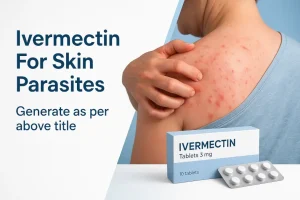
Ivermectin For Worm Infections: A Comprehensive Guide

Understanding Ivermectin for Worms
When it comes to treating parasitic worm infections, ivermectin for worms has been recognized as an effective medication worldwide. In Australia, the use of ivermectin is common for managing various types of worm infections in humans. But what exactly is ivermectin, and how does it work against worms? Let’s take a closer look at this medication and what you need to know before considering its use.
What Is Ivermectin?
Ivermectin is an antiparasitic medication that targets a wide range of parasitic worms and some external parasites. Originally derived from a naturally occurring compound found in soil bacteria, it has revolutionized the way certain parasitic infections are treated. The drug is available in tablet form and is often prescribed to combat infections caused by nematodes (roundworms), including threadworms, strongyloides, and other intestinal parasites.
How Does Ivermectin Work?
Ivermectin operates by binding to specific channels in the nerve and muscle cells of parasites, causing the parasites to become paralyzed and eventually die. This mechanism is highly effective against many species of worms, preventing them from reproducing or further damaging human tissue.
Common Worm Infections Treated With Ivermectin
In Australia, ivermectin for worms is primarily used to treat several types of parasitic infections. Here are some of the most common ones:
- Strongyloidiasis: Caused by the Strongyloides stercoralis worm; ivermectin is the drug of choice.
- Onchocerciasis (River Blindness): Though rare in Australia, ivermectin is effective for treatment.
- Scabies and Pediculosis: While not worms, ivermectin is also effective for some external parasites.
It’s important to note that while ivermectin tackles many worm infections efficiently, it is not effective for all types of parasites. Therefore, a proper diagnosis from a healthcare professional is essential before beginning any treatment.
Dosage and Administration
The dosage of ivermectin depends on the type of worm infection, the severity, and the patient’s weight and overall health. In tablet form, ivermectin is typically taken orally, often as a single dose or divided doses over a few days. The tablets should be swallowed with water, usually on an empty stomach for better absorption.
Available dosage:
Because individual needs vary, a doctor will determine the right dosage and length of treatment. Never self-medicate or share ivermectin with others, as improper use can reduce effectiveness or cause adverse effects.
Precautions and Contraindications
While ivermectin is generally well-tolerated, it’s crucial to consider certain precautions:
- Allergies: Patients with known allergies to ivermectin or its components should avoid this medication.
- Pregnancy and Breastfeeding: The safety of ivermectin during pregnancy or breastfeeding has not been fully established. Consultation with a healthcare provider is necessary.
- Existing Medical Conditions: Liver disease or other chronic conditions may influence the use of ivermectin.
In Australia, doctors will carefully evaluate your medical history before prescribing ivermectin to ensure it is safe and appropriate for you.
Potential Side Effects
Like any medication, ivermectin may cause side effects, although not everyone experiences them. Common side effects are usually mild and temporary, including:
- Dizziness or lightheadedness
- Fatigue
- Nausea
- Diarrhea
- Skin rash or itching
If you experience severe reactions such as difficulty breathing, swelling, or severe skin reactions, seek medical attention immediately. Most side effects go away quickly once treatment is completed.
Who Should Avoid Using Ivermectin?
Ivermectin is not suitable for everyone. Children under a certain weight, people with certain neurological disorders, and those taking specific medications should consult their healthcare professional before use. Additionally, individuals with heavy worm infestations should be monitored closely during treatment to avoid serious complications.
Effectiveness of Ivermectin for Worms in Australia
Specifically in the Australian context, ivermectin has proven highly effective for managing many worm infections seen in humans, particularly those contracted during travel or from local sources. The medication’s ease of administration and low incidence of side effects make it a preferred choice among Australian doctors.
Still, it’s vital to remember that ivermectin is part of a broader treatment plan, often including hygiene measures and sometimes other medications to fully resolve infections.
Where to Obtain Ivermectin in Australia?
Ivermectin tablets are available by prescription in Australia. It’s important to consult a healthcare provider if you suspect a worm infection. They can provide diagnosis and prescribe the correct medication and dosage. Always purchasing ivermectin from authorized sources like Ivermectinaustraliabuy.com.
Conclusion
To sum up, ivermectin for worms is a trusted and effective medication widely used in Australia to treat certain parasitic worm infections. It works by paralyzing and killing the parasites, thereby helping the body to eliminate them naturally. However, its use should always be guided by a medical professional to ensure safety and effectiveness.
Remember, while ivermectin can treat many worm infections successfully, maintaining good hygiene and proper prevention strategies remain essential steps in avoiding parasitic infections.
If you think you may have a worm infection or have been exposed to parasites, speak to your doctor. Early diagnosis and treatment with ivermectin or other recommended therapies will help you get back to feeling your best without unnecessary complications.