Ivermectin for Travelers: Essential Guide for Australian Adventurers
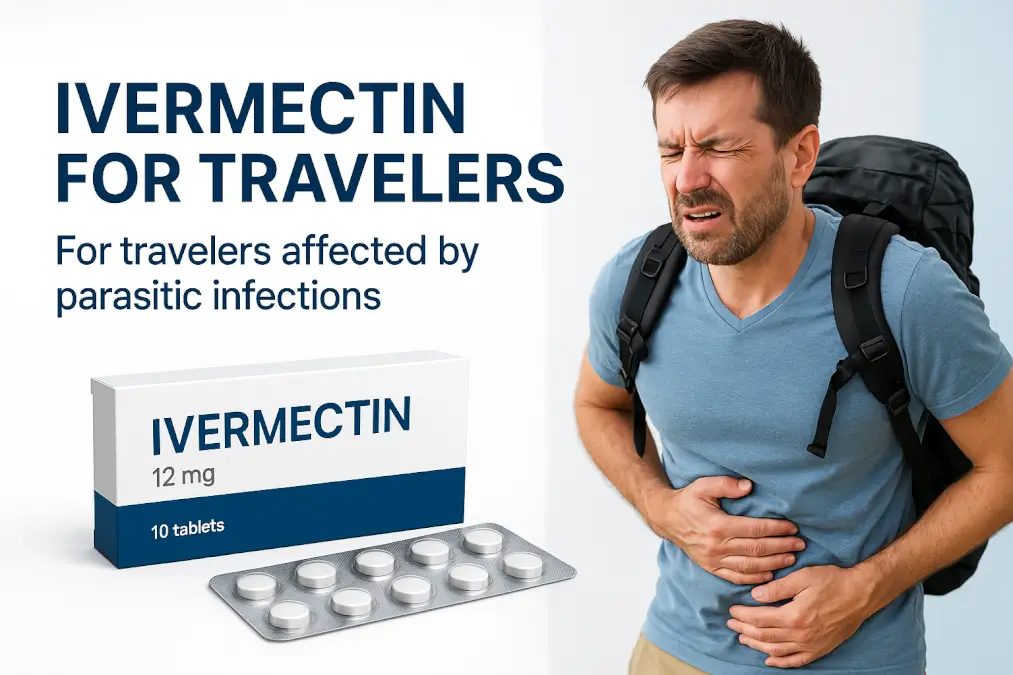
Understanding Ivermectin for Travelers
Traveling is an exciting way to explore new cultures, landscapes, and experiences. But with new environments come new health challenges, especially in regions where parasitic infections are common. Ivermectin for travelers has gained attention as a preventive and therapeutic option for certain parasitic conditions encountered abroad. So, what should Australian travelers know about ivermectin before packing their bags? Let’s dive into the details.
What is Ivermectin?
Ivermectin is a medication widely used to treat various parasitic infections. Originally discovered in the late 1970s, this drug has become a critical tool in managing diseases caused by parasites such as roundworms, threadworms, and scabies mites. While it’s not a cure-all, ivermectin plays a significant role in global health efforts, particularly in tropical and subtropical regions.
Why Consider Ivermectin Before Traveling?
When planning a trip to countries with known parasitic risks, particularly in parts of Africa, South America, and Southeast Asia, prevention is key. Parasites can cause a range of health problems, from mild discomfort to severe illness. Taking the right precautions can save travelers from these complications.
While preventative measures like vaccines and insect repellents are commonly emphasized, ivermectin offers an additional layer of protection, particularly against some internal parasites. For Australian travelers heading to high-risk areas, consulting with healthcare professionals about whether ivermectin is appropriate can be a wise move.
Common Conditions Treated with Ivermectin
- Onchocerciasis (River Blindness): This parasitic infection, transmitted by blackfly bites, is prevalent in parts of Africa and Latin America. Ivermectin helps reduce the parasite load and prevents progression.
- Strongyloidiasis: Caused by the threadworm Strongyloides stercoralis, which can inhabit the intestines, ivermectin effectively eliminates the parasite.
- Scabies and Lice: Though less common as travel-related issues, outbreaks can happen, and ivermectin is sometimes prescribed.
How Is Ivermectin Used by Travelers?
Ivermectin is usually given as a single oral dose. The exact dosage depends on the condition being treated, age, weight, and individual health status. For some parasites, repeated doses months apart may be necessary. But it’s essential to avoid self-medicating. A healthcare provider can determine the appropriate use and dosage based on a traveler’s itinerary and personal risk factors.
Also, it’s worth noting that ivermectin is not a substitute for other preventive strategies like avoiding mosquito bites, practicing good hygiene, and drinking safe water. Instead, it complements these measures.
Ivermectin Dosage for Travelers
Safety and Side Effects
Many travelers worry about the safety of medications they take abroad. Fortunately, ivermectin is generally well tolerated when used correctly. Some might experience mild side effects, such as dizziness, nausea, or skin rash. Serious adverse reactions are rare but can occur, especially if the medication is misused or taken inappropriately.
Pregnant women, young children, and individuals with certain health conditions should discuss risks carefully with their doctors. Also, ivermectin may interact with other medications, so providing a full medical history ensures safe prescribing.
Where to Obtain Ivermectin in Australia
In Australia, ivermectin is a prescription-only medication. Travelers should consult their general practitioners or travel medicine specialists well before their trip to discuss whether they need ivermectin. It’s best to avoid purchasing medicines from unverified sources or while abroad, as counterfeit or substandard products may pose risks.you can buy an Ivermectin tablet online from licensed vendors like ivermectinaustraliabuy.com.
Preparing for Your Trip: Additional Tips
- Consult Early: Start travel health consultations at least 6–8 weeks before departure.
- Vaccinations and Preventatives: Ensure all recommended immunizations and preventive medications are up-to-date.
- Stay Informed: Monitor health warnings from reputable sources such as the Australian Department of Health and the World Health Organization.
- Pack Smart: Include a travel health kit with basic supplies and any prescribed medications.
Common Questions About Ivermectin for Travelers
Is ivermectin effective against all parasites I might encounter?
No, ivermectin targets specific parasites and isn’t effective against every type. It’s important to have a tailored approach depending on your destination and activities.
Can I take ivermectin without consulting a doctor?
It’s strongly recommended to seek professional medical advice before using ivermectin to ensure it’s appropriate and safely administered.
How often should ivermectin be taken during travel?
The frequency depends on the risk level and is determined by a healthcare provider, often just once or a few times spaced months apart for prevention.
Final Thoughts for Australian Travelers
Traveling offers wonderful opportunities, and staying healthy is a top priority. Ivermectin for travelers can be a useful part of your travel health plan if prescribed appropriately. Remember that it’s not a standalone solution but complements other preventative measures. Starting preparations early, consulting healthcare professionals, and staying informed help ensure your adventure is safe and enjoyable.
So, if your next trip takes you to regions where parasite exposure is a concern, consider ivermectin as one of your protective measures — always under medical guidance. Staying proactive about your health lets you focus on the thrill of exploration without unnecessary worries.