
Ivermectin for Skin Parasites: Effective Treatment and Usage Guide
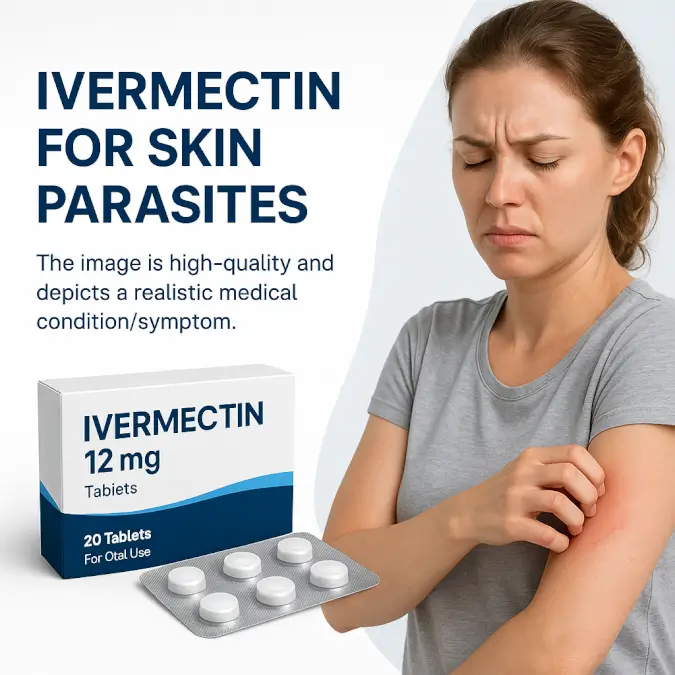
Understanding Ivermectin for Skin Parasites
Skin parasites can cause significant discomfort and distress, impacting the quality of life of those affected. Among the various treatment options, ivermectin skin parasites therapy has gained recognition for its efficacy. This article provides a thorough look at how ivermectin works against skin parasites, its application, safety considerations, and what Australians should know when using this medication.
What Are Skin Parasites?
Skin parasites are organisms that live on or under the skin, causing infections and various dermatological symptoms. Common types include mites such as scabies, lice, and other microscopic pests. These parasites typically cause itching, redness, inflammation, and sometimes more severe reactions if left untreated.
Types of Skin Parasites Treated with Ivermectin
- Scabies mites (Sarcoptes scabiei): Highly contagious and the most common target for ivermectin treatment.
- Head lice (Pediculus humanus capitis): Often treated with topical or oral ivermectin.
- Other parasitic infestations: In some cases, ivermectin helps combat less common parasites affecting the skin.
How Does Ivermectin Work?
Ivermectin is an antiparasitic medication that disrupts the nervous system of parasites, leading to paralysis and ultimately their elimination from the body. It is effective against a range of parasites due to its ability to target specific channels in parasite nerve and muscle cells. This targeted action helps minimize effects on human cells, making ivermectin a relatively safe option when used properly.
In Australia, ivermectin is prescribed primarily for scabies—a skin condition caused by mite infestation—and sometimes for lice. The medication is available in oral tablets and topical formulations, allowing for flexible treatment plans according to the severity and type of infestation.
Indications for Using Ivermectin for Skin Parasites
The decision to use ivermectin for skin parasites typically comes after a confirmed diagnosis by a healthcare professional. Common indications include:
- Persistent itching and rash unresponsive to other treatments
- Widespread scabies involving difficult-to-treat areas
- Cases where topical treatments are impractical or ineffective
- Outbreaks in institutional settings such as nursing homes or schools
If you suspect that skin parasites are causing your symptoms, it is important to consult a healthcare provider before starting ivermectin, as misdiagnosis can lead to ineffective treatment and prolonged discomfort.
How to Use Ivermectin for Skin Parasites
Proper administration is key to the success of ivermectin skin parasites treatment. Oral ivermectin is usually taken as a single dose and might be repeated after one to two weeks, depending on the healthcare provider’s instructions. For topical forms, such as creams or lotions, the affected area should be thoroughly covered, often left on overnight to maximize effectiveness.
Important points for correct usage include:
- Follow the dosage prescribed by your doctor carefully.
- Maintain hygiene by washing clothes, bedding, and towels in hot water.
- Avoid close contact with others until treatment is complete and the infestation is cleared.
- Inform close contacts or family members, as they might also require treatment.
Safety and Side Effects
Ivermectin is generally well-tolerated, but like all medications, it may have side effects. The most common complaints include mild dizziness, nausea, or skin irritation, especially when used topically. Serious adverse reactions are rare but should be reported to a healthcare professional immediately.
It is important to consider medical history, such as allergies or existing health conditions, when using ivermectin. Pregnant or breastfeeding women should seek medical advice before using this medication.
Precautions and Warnings
While ivermectin is effective against various skin parasites, it is not a one-size-fits-all remedy. Proper diagnosis and guidance from a medical professional ensure the best outcomes. Some key precautions include:
- Do not use ivermectin without a confirmed diagnosis of parasitic infection.
- Avoid self-medicating, as incorrect use can lead to treatment failure.
- Inform your doctor about any other medications you are taking to avoid interactions.
- Monitor for any unusual symptoms and report them promptly.
Alternatives to Ivermectin for Skin Parasites
Although ivermectin is highly effective, other treatments may be appropriate depending on the parasite and individual circumstances. These include permethrin creams for scabies, manual removal for lice, and other antiparasitic medications prescribed by dermatologists.
Sometimes a combination of treatments might be recommended for resistant or severe cases.
Why Australians Should Consider Ivermectin for Skin Parasites
In Australia, skin parasites like scabies remain a public health concern in some communities. Ivermectin provides a convenient and often quicker alternative to topical treatments, especially where applying creams over the entire body is challenging.
Access to ivermectin is supported by Australian health regulations, and consulting a local healthcare provider ensures that you receive appropriate dosing and follow-up.
Final Thoughts
Treating skin parasites effectively is essential to relieve symptoms and prevent spreading. Ivermectin skin parasites treatment offers a reliable and accessible option for many Australians suffering from conditions like scabies and lice infestations.
Always seek professional medical advice to confirm your diagnosis and get tailored treatment recommendations. With proper use and precautions, ivermectin can greatly improve skin health and comfort.
Stay informed, remain vigilant, and don’t hesitate to consult your healthcare provider if you suspect a parasitic skin infection. Your skin deserves the best care available.