
Mebendazole Drug Interactions: What You Need to Know
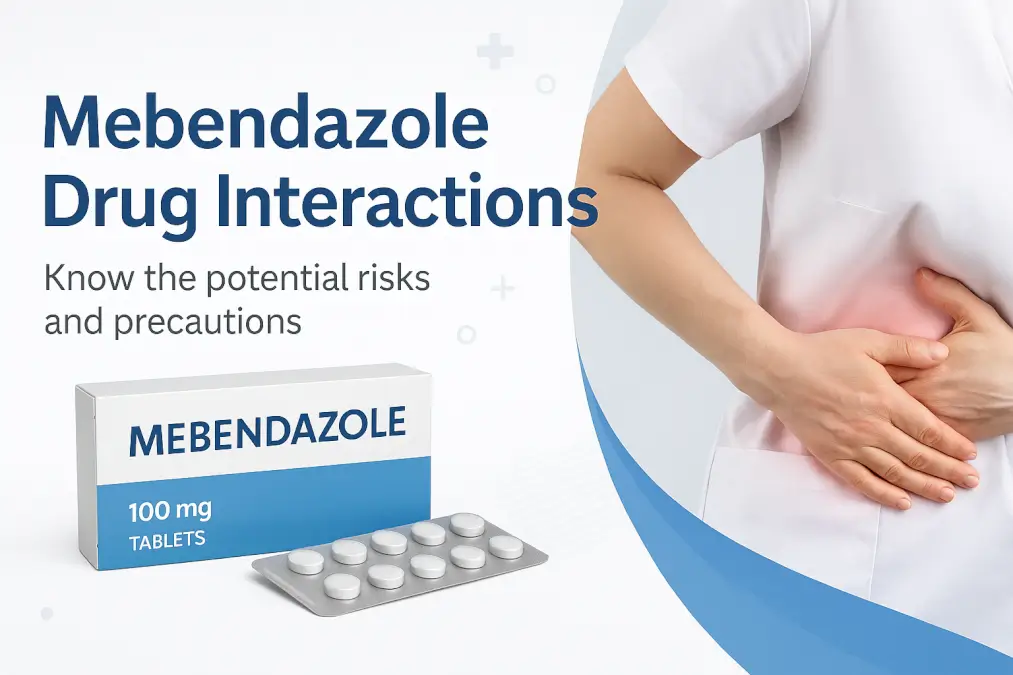
Introduction to Mebendazole and Its Use
Mebendazole is a widely prescribed medication primarily used to treat parasitic worm infections such as pinworm, roundworm, whipworm, and hookworm. Given its broad spectrum and effectiveness, it is commonly used in various healthcare settings across Australia. However, like many medications, mebendazole may interact with other drugs, which can influence its effectiveness or increase the risk of side effects. Understanding mebendazole interactions is crucial for both patients and healthcare providers to ensure safe and effective treatment.
How Mebendazole Works
Mebendazole works by inhibiting the uptake of glucose by worms, essentially starving them to death. This antiparasitic action makes it an essential tool in managing worm infestations. Generally, mebendazole is well tolerated, but its interactions with other medications can sometimes alter its activity or cause unwanted reactions. So, it’s always a good idea to be informed about potential drug interactions before starting therapy.
Common Mebendazole Interactions
Patients should be aware that mebendazole interactions may occur with several other medications. Some of the more common and notable interactions include:
- Cimetidine: This medication, often used to treat ulcers and acid reflux, can increase the blood levels of mebendazole by slowing its metabolism. This might enhance both efficacy and side effects.
- Phenytoin and Carbamazepine: These anti-epileptic drugs can reduce the efficacy of mebendazole by increasing its metabolism. Consequently, the dose of mebendazole might need adjustment.
- Rifampicin: An antibiotic commonly used for tuberculosis, rifampicin may also speed up mebendazole metabolism, leading to decreased drug levels and potentially reduced effectiveness.
- Praziquantel: When taken together, these drugs may interact in ways that affect the treatment of certain parasitic infections, so careful monitoring is required.
Medications That May Increase Risk of Side Effects
At times, combining mebendazole with other drugs might heighten side effects. For example, concurrent use with drugs that affect liver enzymes may lead to an accumulation of mebendazole, raising the likelihood of gastrointestinal discomfort or, rarely, more serious effects.
Factors Influencing Mebendazole Interactions
Several factors can influence the degree and significance of drug interactions involving mebendazole. These include:
- Dosing: The dosage and duration of mebendazole treatment can affect how it interacts with other drugs.
- Patient’s age and health status: Elderly patients or those with liver impairment may be more susceptible to interactions.
- Other medications: Polypharmacy, or the use of multiple medications, increases the chances of interactions.
Managing Mebendazole Drug Interactions
Healthcare providers should carefully review a patient’s medication list before prescribing mebendazole. It’s highly advisable for patients to inform their doctors about all medicines and supplements they are taking. In certain cases, alternative medications might be considered, or close monitoring could be necessary.
In Australia, pharmacists also play a key role by counseling patients on potential mebendazole interactions and advising on the best way to take the medication to minimize risks.
Monitoring and Precautions
Patients should watch for unusual symptoms such as severe stomach pain, persistent nausea, or signs of allergic reactions when using mebendazole with other drugs. Promptly reporting these symptoms to a healthcare professional ensures timely management.
Natural Remedies and Over-The-Counter (OTC) Products
Sometimes patients might wonder about combining mebendazole with herbal remedies or supplements. Though these are often perceived as safe, they can sometimes interfere with drug metabolism. For instance, St. John’s Wort is known to affect liver enzymes and may reduce mebendazole efficacy. So, discussing all treatments with your doctor is essential.
Role of Nutrition and Lifestyle
Certain dietary habits can influence the absorption and effectiveness of medications. Though Mebendazole tablet is typically taken with food to enhance absorption and reduce stomach upset, confirm any specific instructions with your healthcare provider. A balanced diet and proper hydration support overall treatment success.
Summary and Key Takeaways
- Understanding mebendazole interactions helps optimize therapy and reduce side effects.
- Common interacting drugs include cimetidine, phenytoin, carbamazepine, rifampicin, and praziquantel.
- Always inform your healthcare provider about all medications and supplements you’re taking.
- Monitoring for side effects and reporting any concerns promptly is vital.
- Consult Australian healthcare professionals for personalized advice.
Final Thoughts
While mebendazole is a powerful and generally safe medication used throughout Australia to combat parasitic infections, nothing replaces informed care. Being attentive to possible drug interactions is crucial in maximizing benefits and minimizing risks. If you have questions or are undergoing treatment with mebendazole, discuss potential drug interactions with your doctor or pharmacist to ensure a smooth and effective healing process.