Ivermectin for River Blindness: A Vital Treatment Explained
Understanding River Blindness and Its Impact
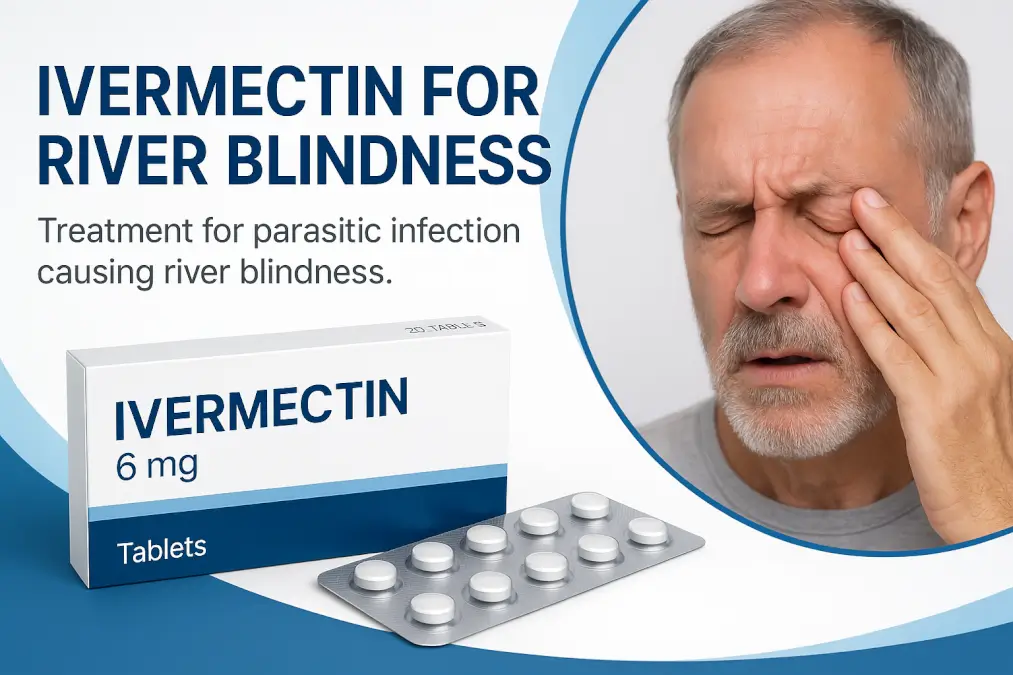
River blindness, medically known as onchocerciasis, is a serious parasitic disease caused by the worm Onchocerca volvulus. This condition primarily affects communities living near fast-flowing rivers in tropical regions, notably in parts of Africa and Latin America. It poses a significant public health challenge, as the parasite can cause severe skin problems and irreversible blindness if left untreated. In Australia, while the disease is not endemic, awareness and knowledge about effective treatments like ivermectin for river blindness remain crucial for travelers and healthcare professionals dealing with imported cases.
What is Ivermectin?
Ivermectin is a widely recognized antiparasitic medication that has transformed the management of several parasitic infections, including river blindness. Originally developed in the late 20th century, ivermectin acts by paralyzing and ultimately killing the microfilariae—the larval stage of the parasite—that cause the inflammatory responses leading to symptoms. Administered as a tablet, ivermectin is known for its safety profile and high efficacy in controlling the spread and severity of river blindness.
How Does Ivermectin Work Against River Blindness?
When taken, ivermectin for river blindness targets the microfilariae circulating in the skin and eyes, reducing their number dramatically. This action helps alleviate symptoms such as severe itching, skin rashes, and vision impairment. However, it’s important to note that ivermectin does not kill the adult worms, which means repeated doses are required over several years to manage the infection effectively and prevent transmission.
The Importance of Treatment in River Blindness
River blindness can have devastating consequences if left unchecked. The accumulation of microfilariae in the eyes can lead to chronic inflammation and permanent blindness, making early diagnosis and treatment essential. Ivermectin has played a pivotal role in global efforts to control and eliminate onchocerciasis, reducing both the disease burden and social impact within affected communities.
Treatment Regimen and Dosage
The standard treatment involves a single dose of ivermectin administered once or twice a year, depending on the local prevalence of the disease and healthcare guidelines. Dosage is generally calculated based on body weight to ensure optimum effectiveness and minimize side effects. For patients, adherence to regular treatment schedules is critical, as the benefits accumulate over time.
Safety and Side Effects
Ivermectin for river blindness has been used extensively in mass-treatment programs and is generally well tolerated when appropriately administered.
Some people may experience temporary reactions after treatment, including:
- Dizziness
- Nausea
- Headache
- Itching
- Skin rash
- Fever or other inflammatory symptoms
These reactions can occur because the body is responding to dying microfilariae. Anyone experiencing severe or unusual symptoms should seek medical attention promptly.
Who Should Avoid Ivermectin?
Although ivermectin for river blindness is generally considered safe when appropriately used, treatment is not suitable for everyone. Special precautions may apply to young children, pregnant people, people with certain medical conditions, and individuals taking particular medications.
Anyone who may have onchocerciasis should receive an appropriate medical evaluation before starting treatment. A healthcare professional can determine whether ivermectin is suitable and whether additional testing or treatment is required.
Global and Local Perspectives on River Blindness Treatment
Though river blindness is rare in Australia, international travel and migration can introduce infections, highlighting the need for awareness among Australian healthcare providers. The World Health Organization has championed ivermectin distribution campaigns in endemic regions, resulting in significant decreases in disease prevalence. Australia supports these global initiatives through research and collaboration, further enhancing understanding of ivermectin’s role in controlling tropical diseases.
Accessibility of Ivermectin in Australia
Access to ivermectin for river blindness treatment in Australia is generally through prescription by specialists knowledgeable in tropical medicine or infectious diseases. The medication is supplied in tablet form, making it convenient for patients requiring treatment. If you seek ivermectin in Australia, it’s important to obtain it legally sites like ivermectinaustraliabuy.com to ensure safe and effective use. Pharmacists and doctors can provide guidance tailored to individual needs.
Precautions When Using Ivermectin
- Always follow the prescribed dosage and schedule.
- Inform your healthcare provider about any allergies or medications you are taking.
- Monitor for side effects and report any unusual symptoms immediately.
- Avoid using ivermectin intended for animals.
The Future of River Blindness Control
Efforts to eliminate river blindness continue worldwide, with ivermectin remaining at the forefront of treatment strategies. Researchers are exploring new treatment combinations and vaccines to augment current approaches. In the meantime, educating communities and healthcare workers about the value of ivermectin for river blindness is essential. For Australians, staying informed about tropical diseases and their management strengthens personal health and contributes to global health security.
Conclusion
Ivermectin for river blindness stands as a cornerstone in tackling this debilitating disease. While not a cure, it effectively controls symptoms and transmission, offering hope to millions affected worldwide. If you or someone you know is at risk or diagnosed with river blindness, medical consultation and adherence to treatment can make a significant difference.
Remember, responsible use and professional guidance ensure the best outcomes. Stay informed, seek expert advice, and support efforts to combat onchocerciasis globally.