Ivermectin and Liver Health: What You Should Know
Understanding Ivermectin and Its Uses
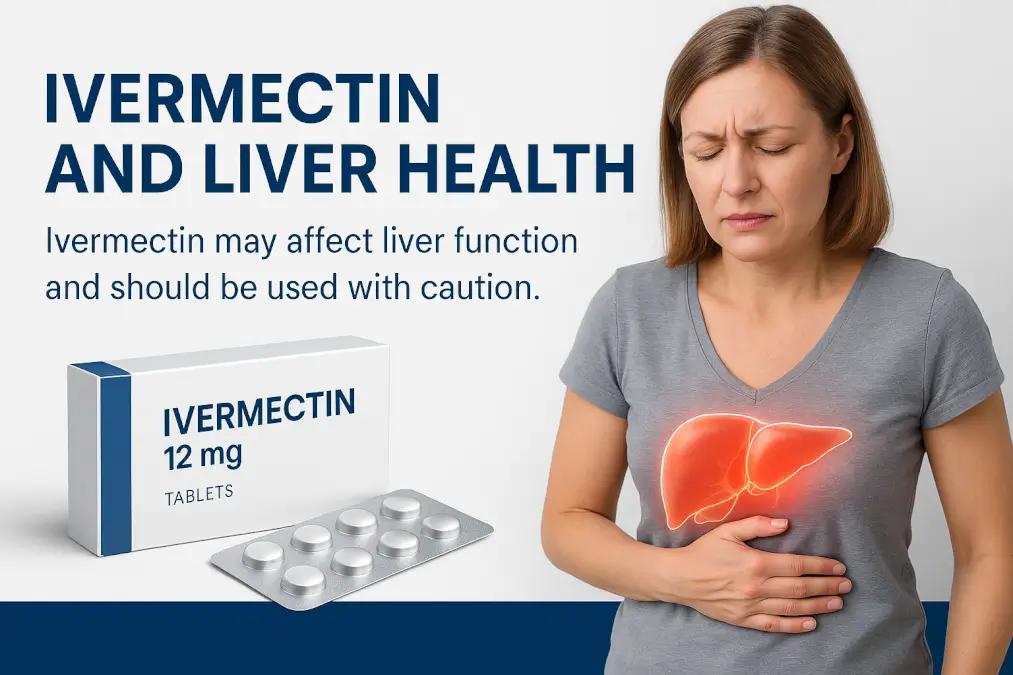
Ivermectin is a medication widely used to treat a variety of parasitic infections in humans. Originally developed to combat parasites like river blindness and scabies, it has gained significant attention globally. When discussing ivermectin liver health, it’s essential to understand how this drug interacts with the liver, considering its vital role in metabolism and detoxification.
Interest in ivermectin liver health has grown as more people seek reliable information about medication safety. While the medicine is generally well tolerated, understanding how it interacts with the liver helps patients use it responsibly.
The Role of the Liver in Medication Metabolism
The liver is a powerhouse in your body, responsible not only for filtering toxins but also for metabolizing medications you take. All drugs, including ivermectin, pass through the liver, where enzymes break them down into forms that are easier for the body to eliminate. This means that the liver’s health directly impacts how well a drug is processed and tolerated.
How Ivermectin is Metabolized
When ivermectin is ingested, it is absorbed through the gut and transported to the liver. The hepatic enzymes then process ivermectin into metabolites. These metabolites, along with some unchanged drug, are eventually excreted via bile or urine. This metabolic process is essential to ensure that ivermectin does not accumulate to harmful levels in the body.
Potential Impacts of Ivermectin on Liver Health
One common concern among healthcare providers and patients alike is whether ivermectin can harm the liver. Generally, ivermectin is considered safe when used as prescribed, but like any medication, it carries a risk of side effects, including those affecting the liver.
- Liver Enzyme Elevation: In some cases, people taking ivermectin may experience a temporary increase in liver enzymes, which indicates mild stress on the liver. Usually, these elevations are minor and resolve without intervention.
- Liver Injury: Although very rare, there are documented cases of liver injury associated with ivermectin. Such incidents tend to occur when the drug is taken inappropriately or in larger-than-recommended doses.
Importantly, these risks are significantly reduced when ivermectin is used under medical supervision, emphasizing the need to follow dosage instructions carefully.
Considerations for Individuals with Pre-Existing Liver Conditions
People with liver diseases like hepatitis or cirrhosis might wonder if ivermectin is safe for them. While there is limited data specifically targeting this group, caution is advised. The impaired liver function in these individuals can alter the metabolism and clearance of ivermectin, potentially increasing the risk of side effects.
- Consultation is Key: Before starting ivermectin, individuals with liver issues should discuss their condition with their healthcare provider to weigh the benefits and risks.
- Monitoring: Regular liver function tests may be recommended during treatment to ensure the liver continues to cope well with the medication.
Use of Ivermectin in Australia: Regulatory Perspective
In Australia, ivermectin is registered and regulated by the Therapeutic Goods Administration (TGA). Its prescription guidelines are clear and require health professionals to evaluate liver health before recommending ivermectin. This regulatory approach helps safeguard patients and optimizes treatment outcomes.
Australian clinicians are vigilant about patient history, including liver status, particularly when prescribing medications like ivermectin. This way, any potential complications can be minimised from the outset.
Australian prescribing guidelines encourage appropriate monitoring whenever clinically necessary, further supporting ivermectin liver health.
Tips for Maintaining Liver Health While Using Ivermectin
Whether you are prescribed ivermectin or considering it, looking after your liver during treatment is a smart move. Here are some recommendations:
- Avoid Excess Alcohol: Alcohol can strain the liver, so it’s best to limit intake when on any medication.
- Stay Hydrated: Proper hydration supports liver function and helps the body process drugs efficiently.
- Follow Your Prescription: Never take ivermectin in doses higher than prescribed or without professional guidance.
- Monitor Symptoms: If you notice unusual symptoms like jaundice, fatigue, or abdominal pain, seek medical advice promptly.
Common Myths About Ivermectin and Liver Health
There’s been quite a bit of misinformation surrounding ivermectin, especially related to its safety profile. Let’s clear up some myths:
- Myth: Ivermectin Always Damages the Liver
Reality: When used correctly, ivermectin rarely causes serious liver problems. - Myth: You Don’t Need to Tell Your Doctor About Liver Issues
Reality: It’s crucial to disclose all health conditions to receive safe care. - Myth: Natural Remedies Are Safer for the Liver
Reality: Some natural supplements can also affect liver metabolism, so medical advice is important.
Understanding the facts helps patients make informed decisions about ivermectin liver health.
Conclusion: Balancing Benefits and Risks
In the context of ivermectin liver health, it’s clear that while ivermectin is generally safe for most people, some risk exists, especially among individuals with prior liver conditions. The key takeaway is proper usage under medical supervision. By consulting healthcare professionals and following guidelines, ivermectin can be an effective and safe treatment option without compromising liver health.
And if you’re ever in doubt, don’t hesitate to get professional advice — it’s the best way to ensure both effective treatment and your liver stays healthy.