Introduction to Fenbendazole 150 mg as a Parasite Solution
Parasitic infections are more common than most people think, and most animals and humans worldwide suffer from parasitic infections, which can lead to a variety of health symptoms that can range from relatively mild or uncomfortable to potentially severe dysregulation of host functions. Fenbendazole 150 mg is a powerful antiparasitic and antiparasitic agent that is commonly used in animals (dogs and cats) and is being more and more researched for possible human utilization.
What is Fenbendazole 150 mg?
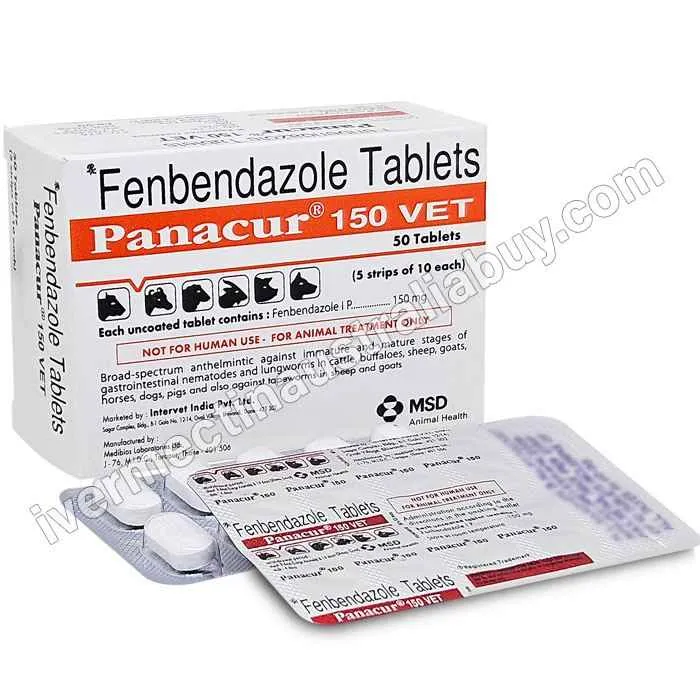
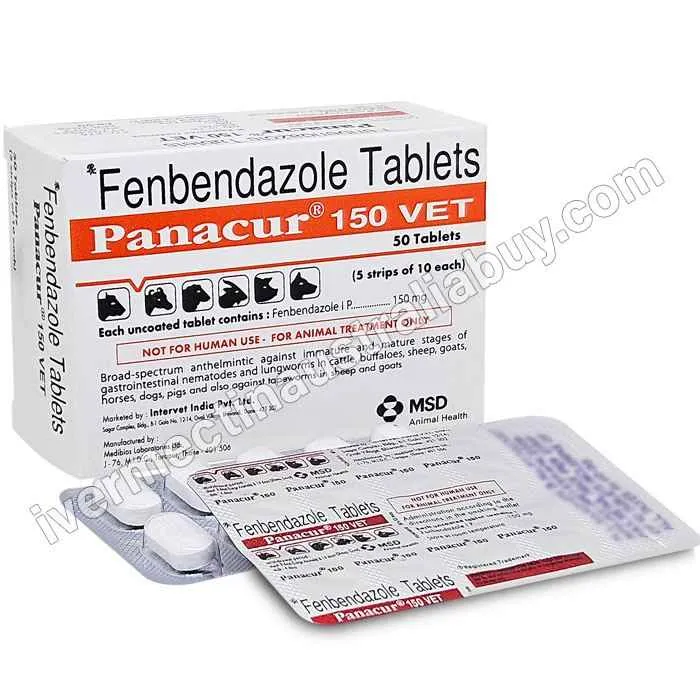
Fenbendazole 150 mg is an anthelmintic (anti-parasitic) medication that is a member of the benzimidazole class of drugs. Primarily, it is developed for parasite worms (helminths) in species other than humans. Commonly used in dogs, cats, horses, cattle, and sheep, fenbendazole is sold under a variety of brand names, such as Panacur and Safe-Guard. The 150 mg tablet is one of the standard dose formats for easier oral administration.
Although fenbendazole is marketed for use in animals, scientific exploration and anecdotal evidence have raised interest in potential off-label uses, including anti-cancer effects in humans. Caution and professional direction should be given to any use outside of its intended use in animals.
Common Uses of Fenbendazole 150 mg
Fenbendazole 150 mg is used to treat a wide range of parasitic infections. The most common conditions treated include:
- Tapeworms (in some cases)
- Strongyles and Pinworms (in horses)
- Giardia (intestinal protozoa)
Many veterinarians recommend Fenbendazole because they have tested it in many conditions with excellent results and a good safety margin, and ease of administration. It is especially useful in situations where there is possible parasitic contamination in a multi-species household or even on a farm.
How to Take Fenbendazole 150 mg and Who Can Use It?
Fenbendazole 150 mg is typically taken orally, either well, in that we mix it with the food (for palatability). The dosage, length of treatment, etc., all depend on your condition, species, and body weight. For example, deworming dogs or cats is typically a single dose given once daily for 3 days. In humans (off-label use), there are different protocols with some individuals taking, for example, 150 mg once daily for three days on, four days off in cycles for a week and longer. Always consult a health care practitioner or veterinarian before commencing an on-label or off-label treatment protocol.
Fenbendazole is certainly used as an anthelminthic in animals (dogs, cats, cattle, horses, and birds) but is now getting some attention for possible off-label (alternative use) as a treatment in humans (especially in alternative cancer protocols). Research is lacking and studies are still needed. Fenbendazole should not be used in pregnant animals (since it is an anthelminthic) and caution should be observed in individuals with liver issues or who have sensitivity to benzimidazoles.
How Does Fenbendazole 150 mg Work?
Fenbendazole 150 mg operates by targeting and disturbing the energy metabolism of parasites. It binds to a protein called beta-tubulin, which, in parasitic worms, is critical in making microtubules that the parasitic worms require to absorb nutrients and divide. This stopping function of Fenbendazole will starve the parasites and prevent them from breeding, eventually killing them.
This action is broad enough to work against several worms like roundworms, hookworms, whipworms, and some other tapeworms in the bowels. Recent studies have looked at fenbendazole and its potential bomb against cancer. The idea is that it will stop the growth of cancer cells by disrupting their microtubule structure, like it interferes with that of a parasite, even though this use has not been fully vetted and is not approved for human use.
Dosage and Administration
Fenbendazole 150 mg is given by mouth either as a tablet, paste, or powder with food. The dosage will depend on the species being treated and the nature of the parasitic infection, and the general dosing for dogs is 50 mg per kg body weight for 3 days in a row.
Follow the instructions from your veterinarian with regard to dosage and time. Fenbendazole 500 mg should be given with food to allow for better absorption and less gastrointestinal irritation. Complete the full treatment even if the symptoms resolve earlier to ensure that a reinfestation does not take place. Do not exceed the given dose unless your health professional suggests otherwise. Regular use of Fenbendazole 500 mg as a part of your deworming program will assist with preventing long-term parasite infestations. Store in a cool, dry location and keep it away from the reach of children and pets.
Users Can Expect These Benefits After Using Fenbendazole
- Removes Multiple Parasites: Targets a variety of protozoa and worm types.
- Increases Digestion: Eliminates parasites that block absorption from feed.
- Increases Energy: Animals (or humans) tend to have increased energy after parasites have been resolved.
- Positive Health Effects: A parasite-free gut produces better immunity.
- Safe for Reuse: Fenbendazole can be used in multiple scenarios with low risk.
Potential Side Effects and How to Manage Them
Common side effects:
- Transient loss of appetite
- Nausea or vomiting (rare in animals)
These side effects are almost always temporary and will resolve after the treatment has been completed.
Rare but Serious Reactions:
- Liver enzyme elevation (in people)
- Bone marrow suppression (incredibly rare)
If side effects are too severe or there is cause for concern, stop using the product and consult your Veterinarian or Physician immediately.
Tips for Management:
- Always give food to minimize stomach discomfort.
- Always ensure proper hydration has taken place.
- Always watch for any changes in behaviour or appetite.
- Never exceed the prescribed dosages!
Precautions & Warnings
Consult a doctor or veterinarian prior to using Fenbendazole 150 mg to ensure that it is appropriate for the specific condition and individual. Although the drug is noted as generally safe, it is generally not recommended during pregnancy except for a specific prescription, because the effects of fenbendazole on a developing fetus are not well studied. Anyone or animals with liver disease should use caution, as the liver metabolizes drugs. Signs of an allergic reaction may include rash, swelling, or trouble breathing. Do not exceed the recommended dosage, as overdose may lead to gastrointestinal upset or strain on the liver.
Fenbendazole 150 mg should be stored in a cool, dry place, away from children or pets, and can be stored with other medications. If using off-label for human use, Fenbendazole 150 mg should always be used with the guidance of a medical practitioner and should never be self-prescribed without a medical practitioner.
FAQs
1. Is Fenbendazole safe for humans?
Fenbendazole was developed for use in animals. Anecdotal information and limited, published research reports claim it is safe for humans to take, but it is not approved for humans. You should always consult with a healthcare provider before contemplating taking fenbendazole.
2. How quickly does Fenbendazole work?
Most parasites are eliminated within 3 - 5 days. Some parasites may require retreatment following a handful of weeks, depending on the lifecycle of the parasite.
3. Can Fenbendazole cure Giardia?
Yes, it is often prescribed to treat Giardia infections in animals, often over 5 days.
4. Is it safe to use Fenbendazole long-term?
It is almost always safe when cycled, but when used for long periods, it should always be monitored by a medical doctor to the users do not develop resistance or liver damage, among other health issues.


Noah Mitchell
October 14, 2025I use this every few months for routine deworming—reliable results.
Reply