Overview of Fenbendazole 1000 mg as a parasite Medication
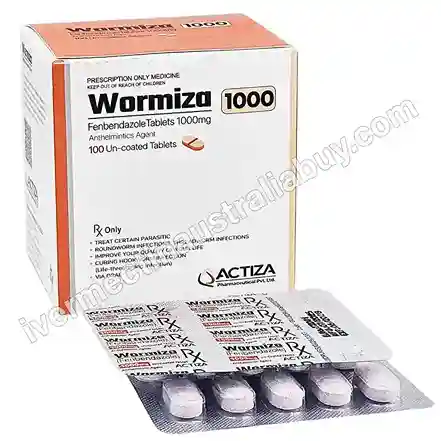
Fenbendazole 1000 mg is a broad-spectrum antiparasitic medication primarily used to treat various intestinal worms in animals, including roundworms, hookworms, whipworms, and certain types of tapeworms. It works by disrupting the energy metabolism of parasites, leading to their death and elimination from the body. Although originally developed for veterinary use, Fenbendazole has attracted attention for potential off-label applications, including cancer research and immune support, but such uses remain unapproved for humans.
It is generally available in oral formulations such as tablets or granules. When administered correctly, it is considered safe and highly effective in both preventive and active treatments. Farmers, veterinarians, and pet owners routinely use Fenbendazole to maintain the health of livestock, pets, and other domesticated animals. The 1000 mg strength is typically reserved for larger animals or special veterinary protocols, with dosing adjusted according to body weight and specific needs.
Definition and Prevalence of Fenbendazole 1000 mg
Fenbendazole 1000 mg is a high-dose antiparasitic medication used to eliminate gastrointestinal parasites in animals, particularly livestock such as cattle, horses, and sheep. It belongs to the benzimidazole class of drugs, which act by inhibiting the uptake of glucose in parasitic cells, effectively starving them to death. Fenbendazole is a well-established treatment and has been widely used across veterinary medicine for decades. Its broad-spectrum activity makes it a preferred choice for both treating and preventing parasitic infections.
Fenbendazole’s widespread use is due to its proven efficacy, safety, and minimal resistance in target organisms. The 1000 mg dosage is prevalent in farm and equine veterinary care, where single or short-course dosing is needed due to the size of the animal. The compound has also gained interest in unconventional circles for its potential in cancer research.
Why do men use Fenbendazole 1000 mg?
While Fenbendazole 1000 mg is primarily a veterinary drug, some men have begun using it off-label, inspired by anecdotal reports and preliminary studies suggesting anti-cancer properties. A growing number of individuals explore it as a complementary therapy in managing cancers, believing that it may help inhibit tumor growth due to its action on microtubules in cells, similar to some chemotherapy agents. Some proponents claim benefits such as immune support, improved energy levels, or even cognitive enhancement, although these claims lack robust scientific backing.
Men who seek alternative treatments or are disillusioned with conventional options may turn to Fenbendazole based on online testimonials or experimental protocols. However, it is essential to understand that such use is not FDA-approved, and safety in humans has not been definitively established. Anyone considering Fenbendazole for human use should do so under the guidance of a qualified healthcare provider.
How does Fenbendazole 1000 mg work?
Fenbendazole 1000 mg works by targeting and disrupting the microtubule structures within parasitic cells. Microtubules are vital for various cellular processes, including nutrient absorption and cellular division. By binding to the beta-tubulin protein in these microtubules, Fenbendazole interferes with the parasites’ ability to absorb glucose, effectively starving them of energy.
This disruption causes immobilization and eventual death of the parasite, allowing the host's body to expel them naturally. In veterinary settings, this mechanism is effective against a broad range of gastrointestinal worms. Interestingly, this same mechanism is what has sparked interest in Fenbendazole's possible anti-cancer activity, as similar cellular structures exist in tumor cells. However, its approved use remains restricted to animal parasite control. The drug is usually administered orally and is well-tolerated when dosed according to the animal's body weight and species.
Dosage
The dosage of Fenbendazole 1000 mg depends on the species, weight, and specific parasitic infection being treated. In large animals such as cattle or horses, the 1000 mg tablet or granule formulation is often used to ensure sufficient systemic exposure. For example, in cattle, the typical dose is approximately 5 mg per kilogram of body weight, administered as a single or repeated dose. The treatment duration may vary from 1 to 3 consecutive days. In smaller animals like dogs, lower doses (usually 22.7 mg per pound) are used, and higher-strength tablets like 1000 mg should never be administered without precise veterinary guidance.
It is essential to follow the label instructions or the veterinarian’s advice to avoid toxicity or underdosing. For off-label human use, exact dosages are not medically standardized and should not be administered without clinical supervision, as safety and efficacy have not been verified in humans.
Other Dosage
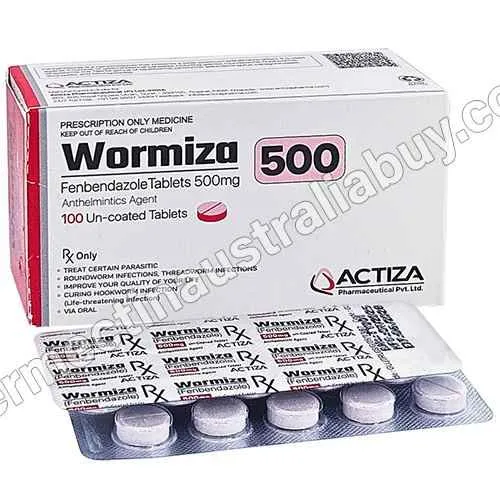
Fenbendazole 500 mg
Fenbendazole 444 mg
Fenbendazole 222 mg
Avoid To Take Fenbendazole 1000 mg
Avoid taking Fenbendazole 1000 mg if you are allergic to benzimidazoles or have a history of liver disease, as the drug is metabolized in the liver. Pregnant or breastfeeding individuals should not use it, especially since human data is limited. Do not use Fenbendazole without veterinary consultation in animals underweight, stressed, or ill. For humans, it is not approved by the FDA, and self-medication can pose serious health risks.
Additionally, avoid combining it with alcohol or hepatotoxic drugs. Improper dosing may lead to ineffective treatment or side effects. Always seek professional advice before using Fenbendazole in any form.
Fenbendazole 1000 mg Benefits
Fenbendazole 1000 mg provides reliable, broad-spectrum protection against a wide array of gastrointestinal parasites. It effectively treats roundworms, hookworms, whipworms, and certain tapeworms in animals. The drug is known for its high efficacy, minimal resistance buildup, and good safety profile when used as directed.
It can be administered orally and often requires only a short duration of treatment. In livestock, its use helps improve nutrient absorption, weight gain, and overall health. Additionally, some anecdotal reports highlight its potential anti-cancer effects, which have driven off-label interest. However, these benefits are only supported in veterinary medicine, and off-label uses in humans remain experimental and unapproved.
Side Effects of Fenbendazole 1000 mg
Fenbendazole 1000 mg is generally well-tolerated in animals, but side effects can occasionally occur. Common side effects include gastrointestinal issues like vomiting, diarrhea, or loss of appetite. In rare cases, hypersensitivity reactions may develop, particularly if parasites die off in large numbers, causing inflammation or allergic responses. Liver enzyme elevations have also been reported. In off-label human use, users have reported mild digestive discomfort, fatigue, and headaches, but data are limited. Overdosing can lead to more severe toxicity. Because it is not approved for human use, any side effects should be closely monitored by a healthcare professional if used off-label.
Warning & Precautions
Fenbendazole 1000 mg should only be used under veterinary guidance for approved animal treatments. Do not use in animals with known hypersensitivity to benzimidazoles. Avoid using expired products, and store the medication in a dry, cool place. Off-label human use carries unknown risks and should only be considered under expert medical supervision. Pregnant or lactating individuals must not take it, as reproductive safety has not been confirmed. Combining Fenbendazole with other drugs metabolized by the liver should be approached with caution.
Monitor animals for adverse reactions during and after treatment. Always read product labels and avoid overdosing, especially when treating multiple animals in a herd.
Frequently Asked Questions
1. Is Fenbendazole 1000 mg safe for humans?
It is not FDA-approved for human use, and safety data are limited.
2. Can Fenbendazole 1000 mg treat cancer?
While some studies show promise, it is not an approved cancer treatment.
3. How should Fenbendazole be stored?
Store in a cool, dry place away from moisture and sunlight.
4. Can I give Fenbendazole 1000 mg to my dog?
Only under a veterinarian’s direction, and the dosage must be adjusted.
5. Are there natural alternatives to Fenbendazole?
Some herbs have antiparasitic effects, but they are not as reliable or potent.

Mia Foster
October 14, 2025High strength worked well for a serious worm infection in my large dog.
Reply